21 February 2026
Leica Minilux Zoom Review
A Titanium Travel Companion in the Dolomites
Why I Chose the Minilux Zoom for the Dolomites
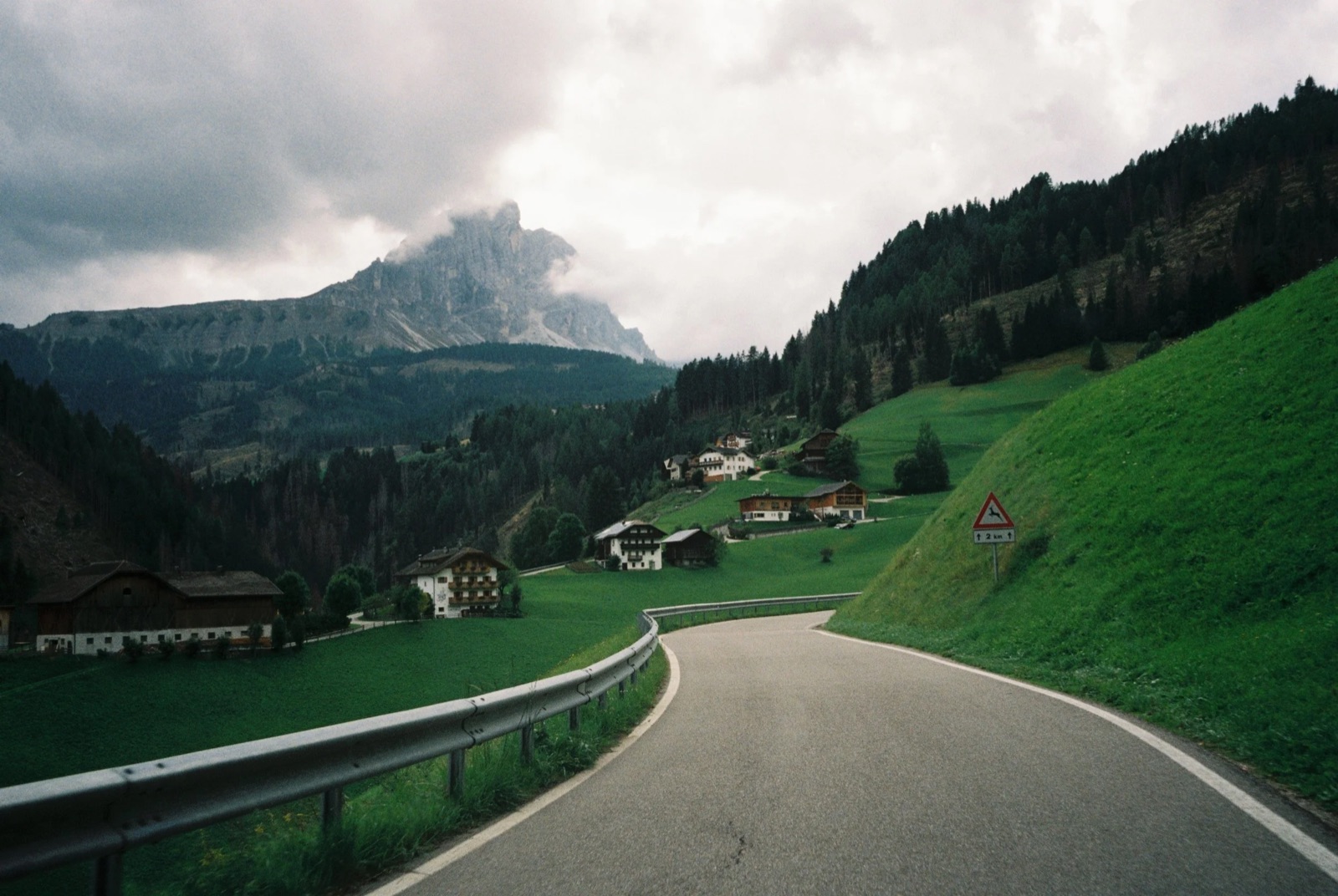
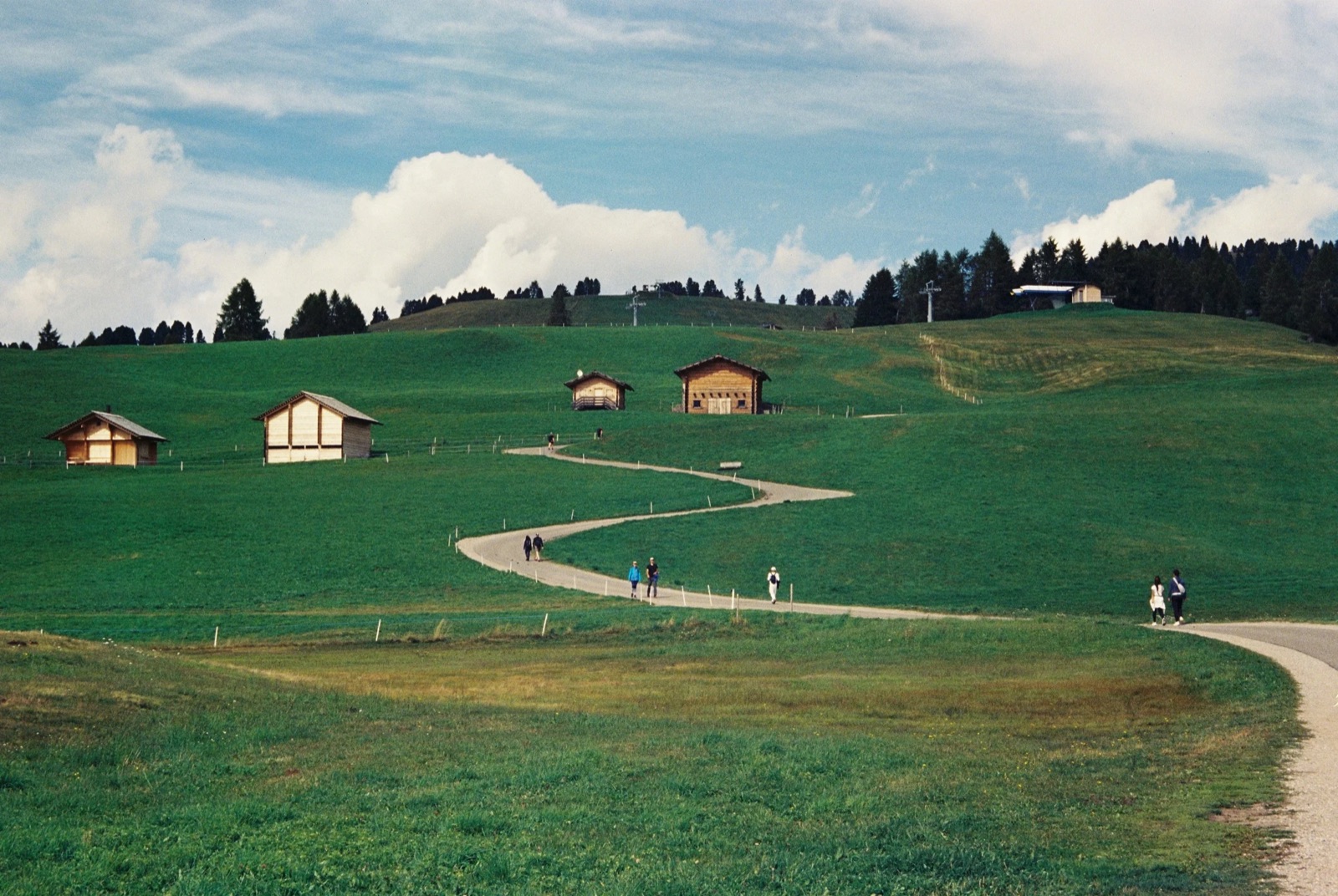
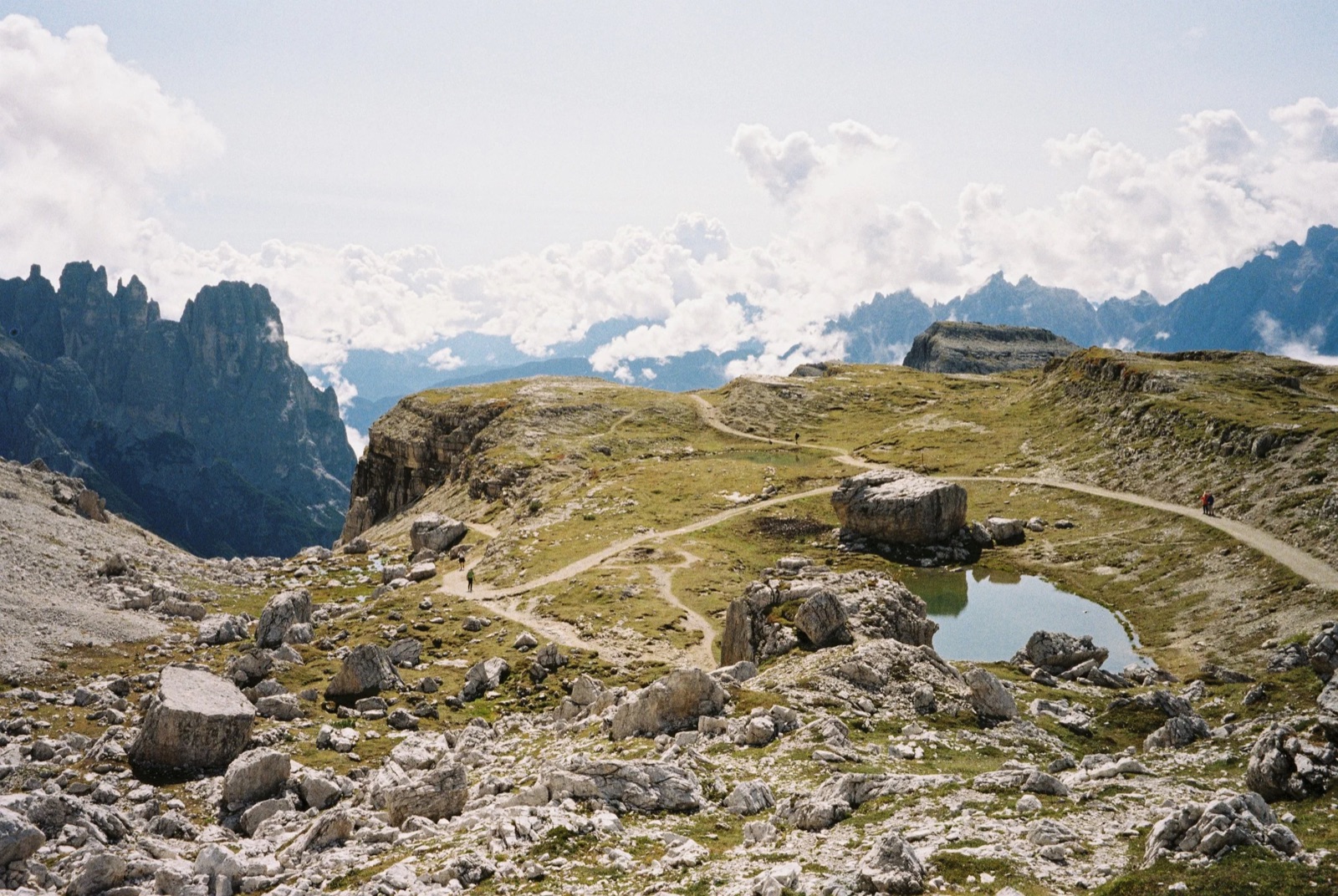
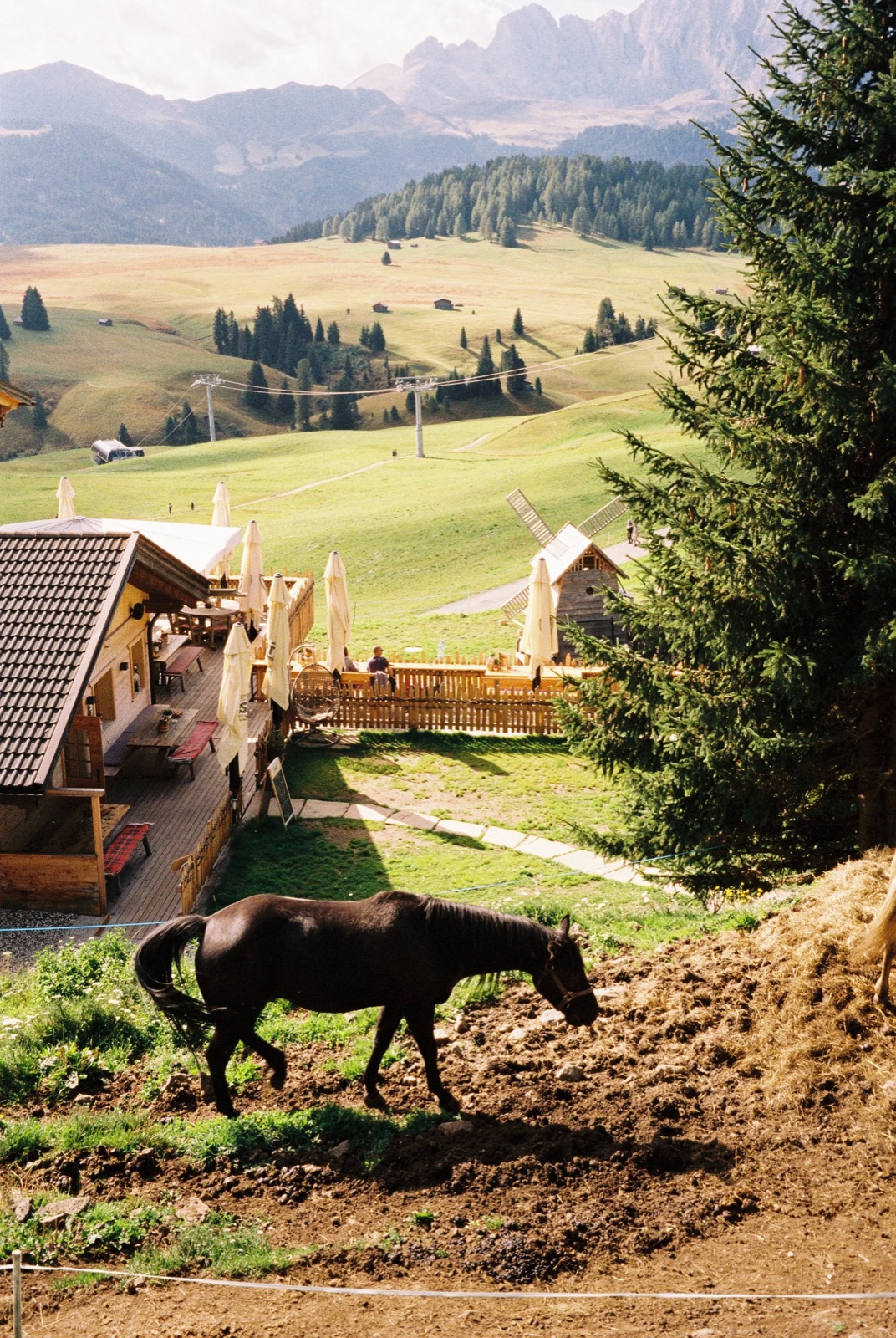
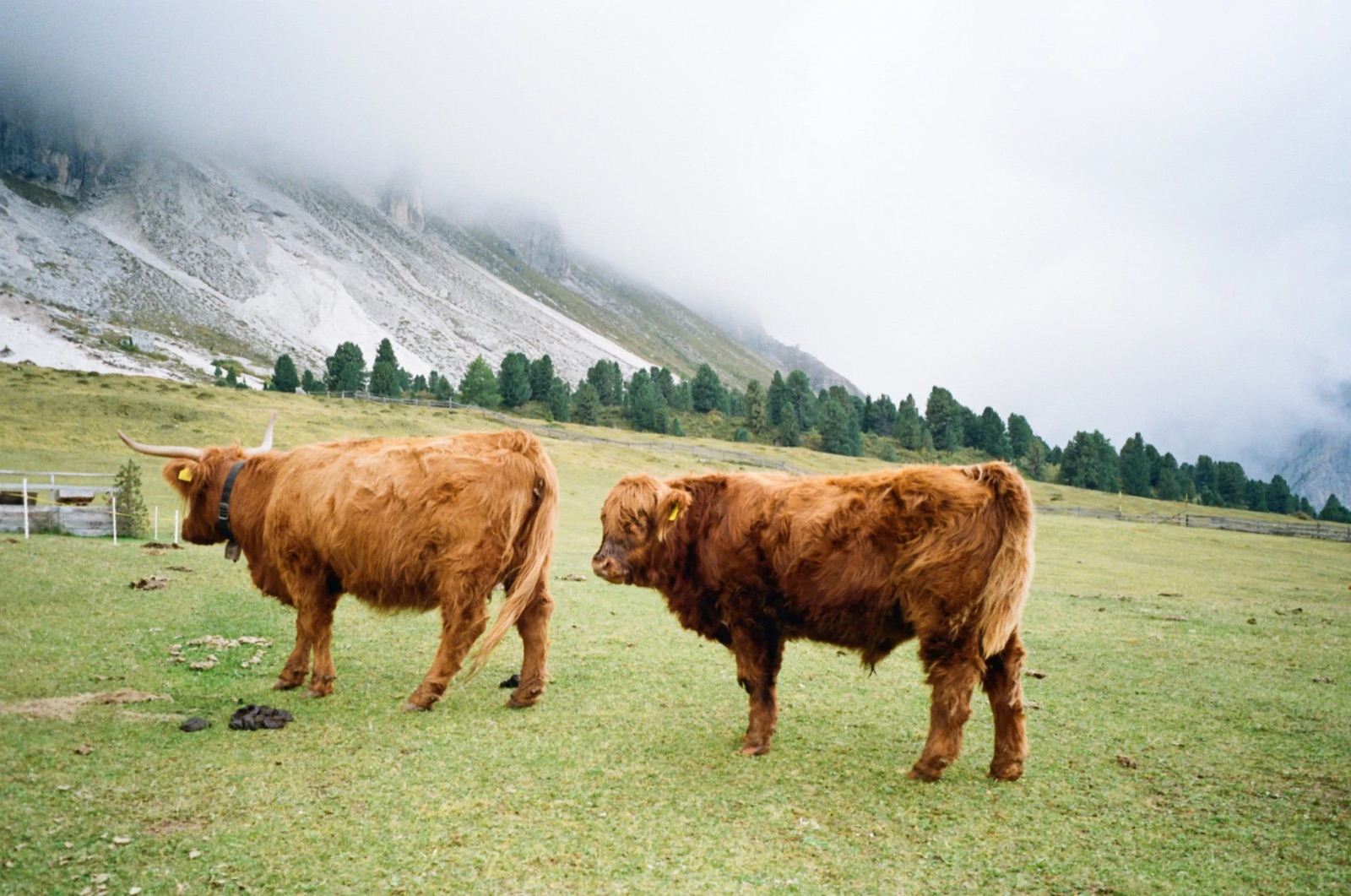
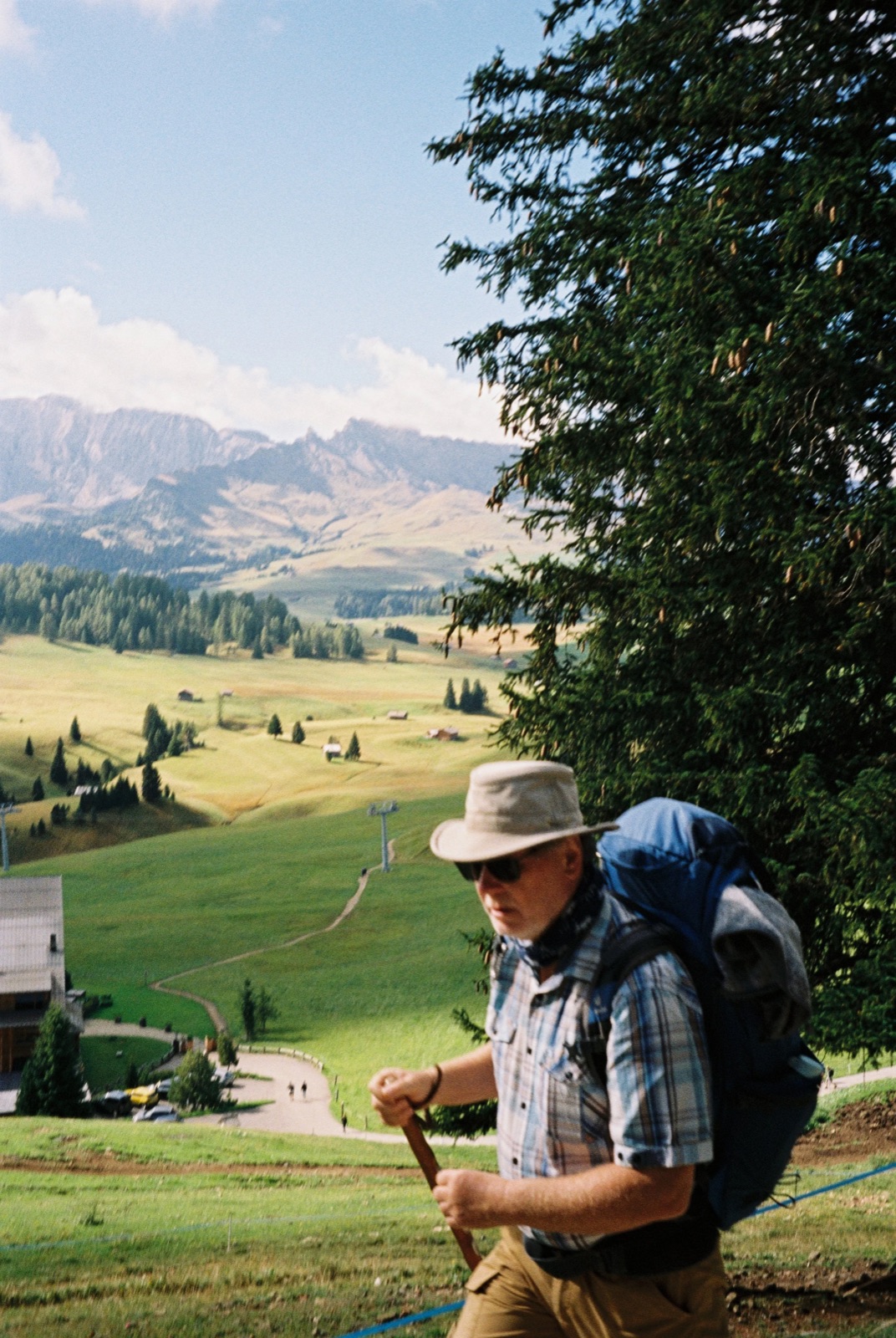
For my trip to the Dolomites in Italy I wanted something simpler. Carrying serious cameras during hiking and road trip can quickly become cumbersome, especially when one of them requires manual focusing, aperture adjustments, and constant attention. While that process is part of the joy of shooting film, it is not always ideal when you are traveling, driving frequently, and stopping spontaneously for photographs.
I wanted a film camera that was lightweight, reliable, quick to operate, and easy to carry in a small bag. Most importantly, I wanted something I could pull out instantly, take a photograph, and continue moving without interrupting the flow of the trip. The Leica Minilux Zoom fit perfectly into that role.



First Impressions and Build Quality
The Leica Minilux Zoom is a premium compact camera that is entirely coated with titanium. The construction immediately stands out when you hold it. It feels dense, solid, and reassuringly well made, with a tactile quality that reflects Leica’s design philosophy. While it shares visual similarities with the original Minilux, this version incorporates a zoom lens, specifically the Leica Vario-Elmar 35–70mm with an aperture range of f/3.5 to f/6.5.
When the camera was originally released, zoom models were often priced higher than fixed-lens versions, and that was also the case here. Today, however, the Minilux Zoom can often be found for less than the fixed 40mm Minilux on the used market, which makes it an interesting value considering the performance and versatility it offers.
I own both versions, and while I originally assumed I would strongly prefer the fixed lens model, I have come to enjoy the zoom variant just as much.
Ergonomics and Controls
One of the strengths of this camera lies in its usability. The shutter button has a very clear two-stage press with satisfying feedback, making it easy to confirm focus before capturing an image. The controls are simple and thoughtfully arranged, with dedicated buttons for flash modes, exposure compensation, and the self-timer located on the top plate. A hot shoe is positioned centrally, which is a welcome feature on a compact camera and expands creative possibilities when needed.
On the right side sits the power dial, which is, in my opinion, an improvement over the original Minilux. The dial has a clearly defined off position and a precise on position, which makes activation faster and more intuitive. On the Minilux, the control can sometimes overshoot slightly, but that small annoyance is eliminated here. Integrated within the dial is a button that allows manual focus distance selection from 0.7 meters to infinity. The distance increments have a very satisfying mechanical click and remain stable during use, unlike some other compact cameras where settings can shift accidentally while walking.
The zoom control itself is operated with a small lever that allows the lens to move smoothly across the entire focal range. Importantly, the camera does not restrict you to only 35mm or 70mm positions. You can select any focal length between those values depending on how you compose your frame. This continuous zoom capability turns out to be far more useful in real-world photography than simply having two preset focal lengths.
A Hidden Superpower: Memory Settings
One of the most practical features of the Minilux Zoom is its ability to save shooting settings permanently. Once you configure a specific flash mode or exposure compensation, the camera remembers it even after being powered off. This behavior is particularly valuable for film photographers who consistently shoot with the same exposure preferences.
For example, I typically shoot Kodak Gold rated at ISO 100 with plus one exposure compensation and flash disabled. After saving those settings, every time I turn the camera on, it immediately starts in that configuration. Many compact cameras reset themselves after power cycling, so this capability significantly improves usability and makes the Minilux Zoom feel more like a deliberate photographic tool rather than a casual point-and-shoot.





Viewfinder and Shooting Experience
The viewfinder is positioned centrally and automatically adjusts to reflect the selected zoom focal length. While it does not provide detailed exposure information such as shutter speed readouts like the Contax T2, it remains perfectly functional and clear for framing. In practice, the shooting experience becomes extremely fluid. The camera can be pulled from a bag, focused with a half press, and fired almost instantly before returning to storage, which is exactly what I wanted during the Dolomites trip.
Flash recycling is quick and sufficiently powerful for indoor scenes, and autofocus performance remained reliable even in colder mountain temperatures between five and ten degrees Celsius. Battery performance also proved dependable throughout the journey.


The Lens: Why the Zoom Changed My Mind
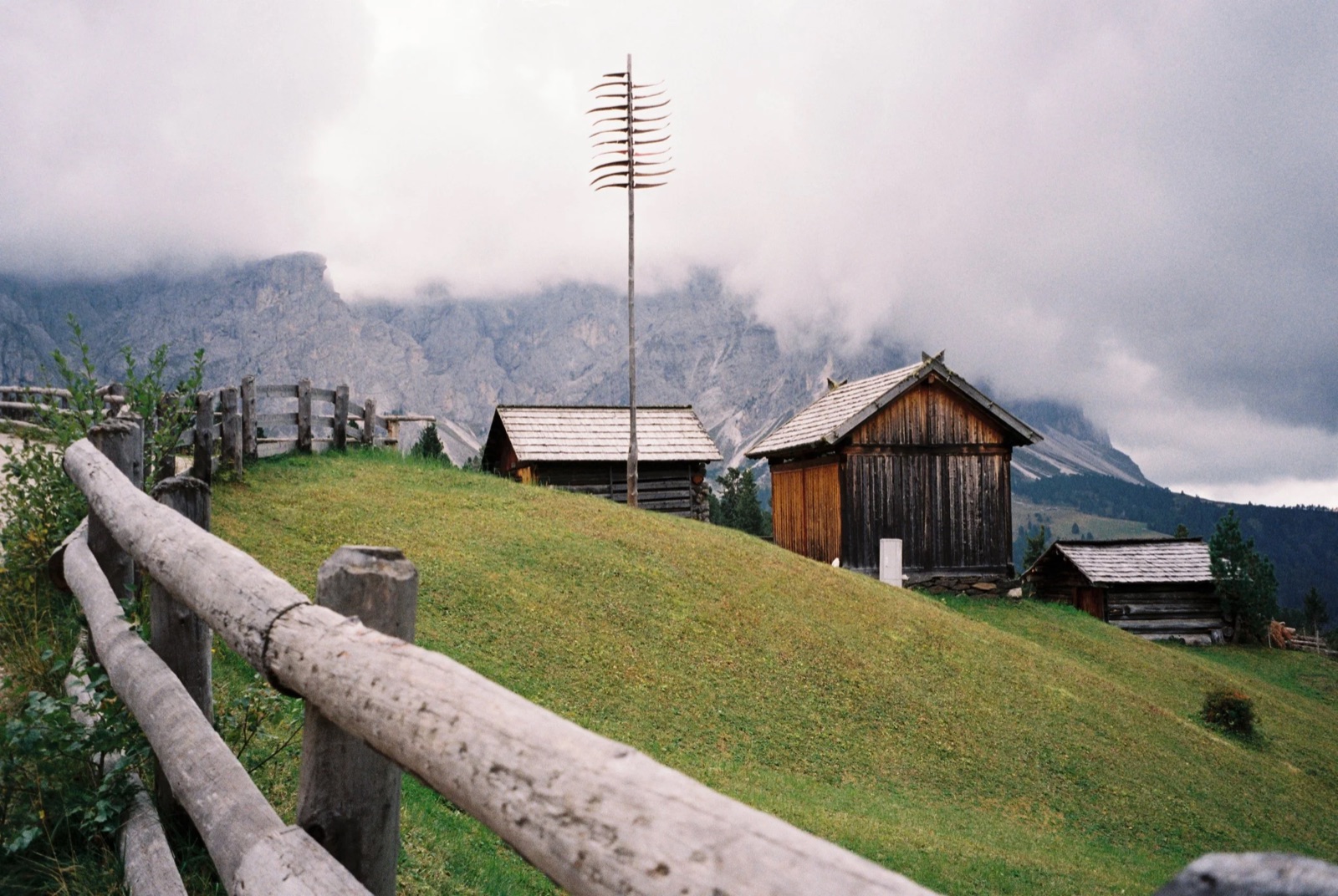
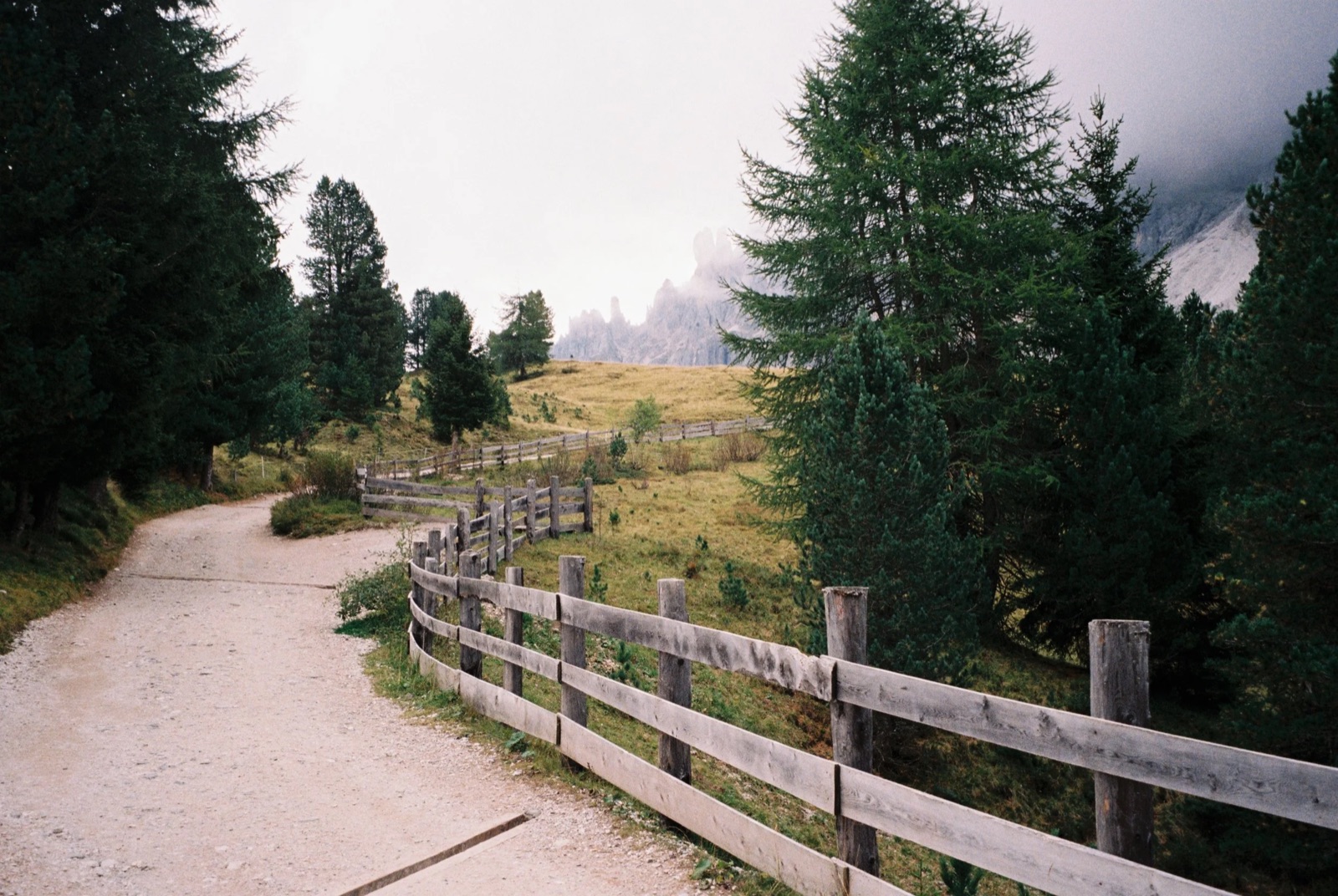
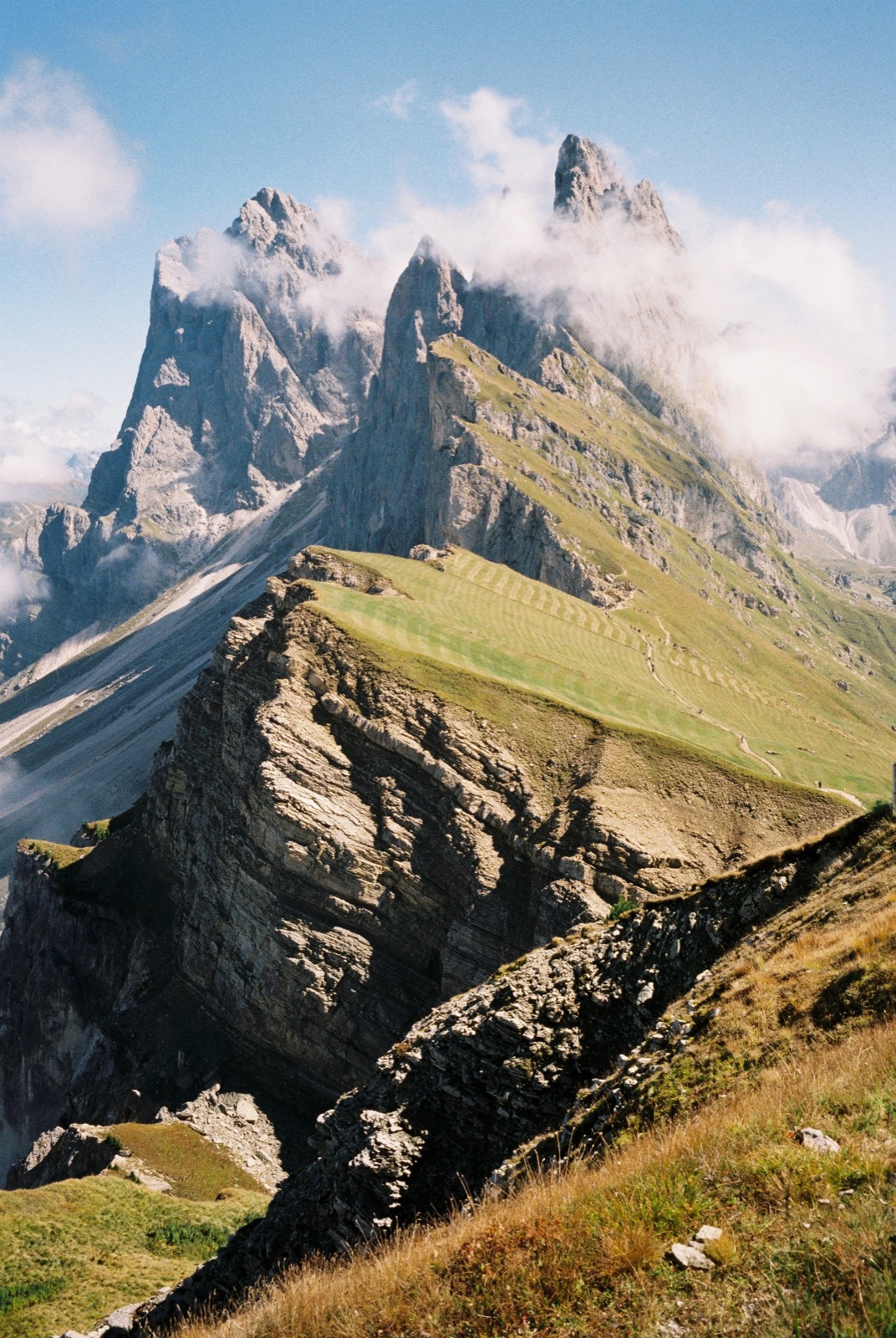
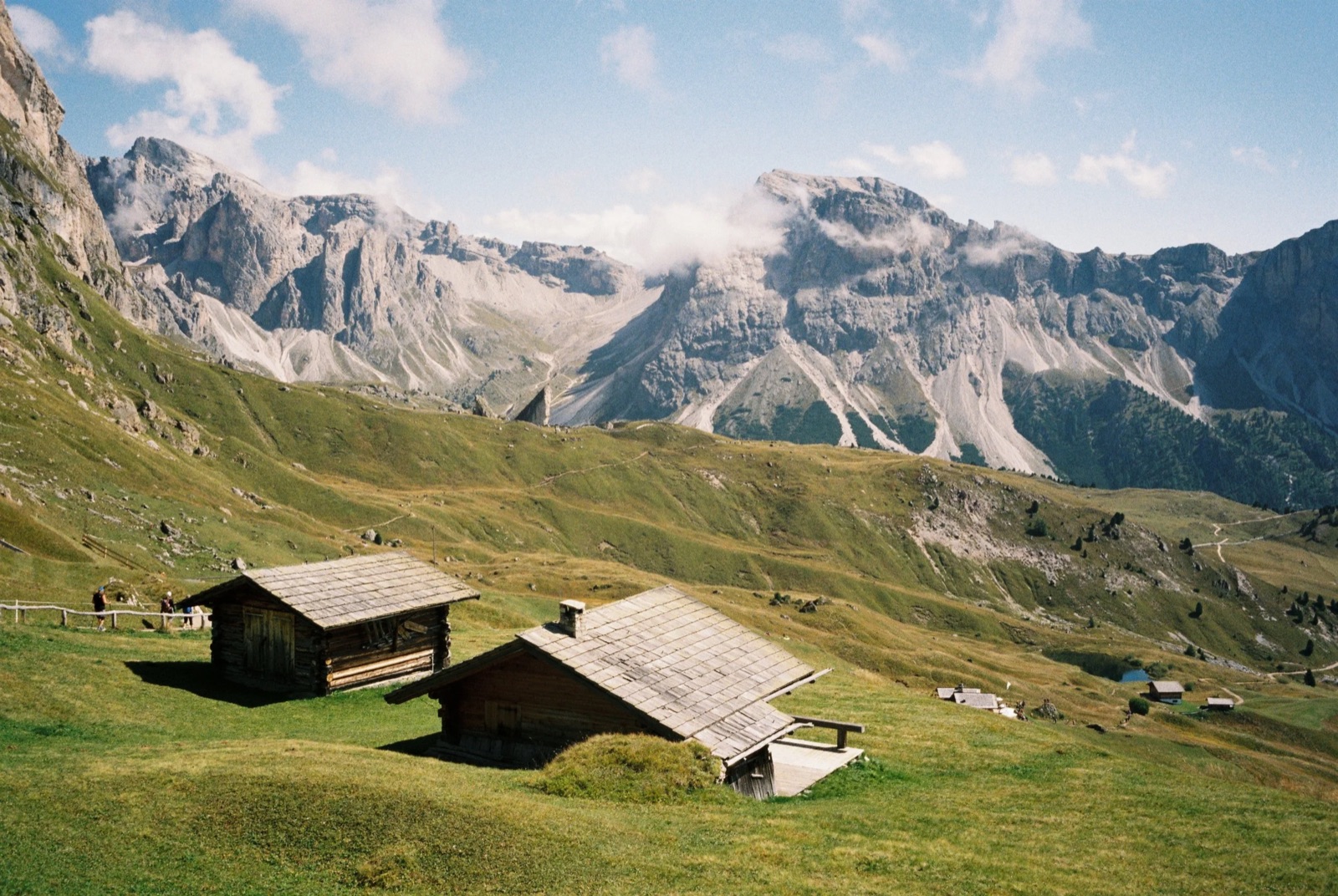
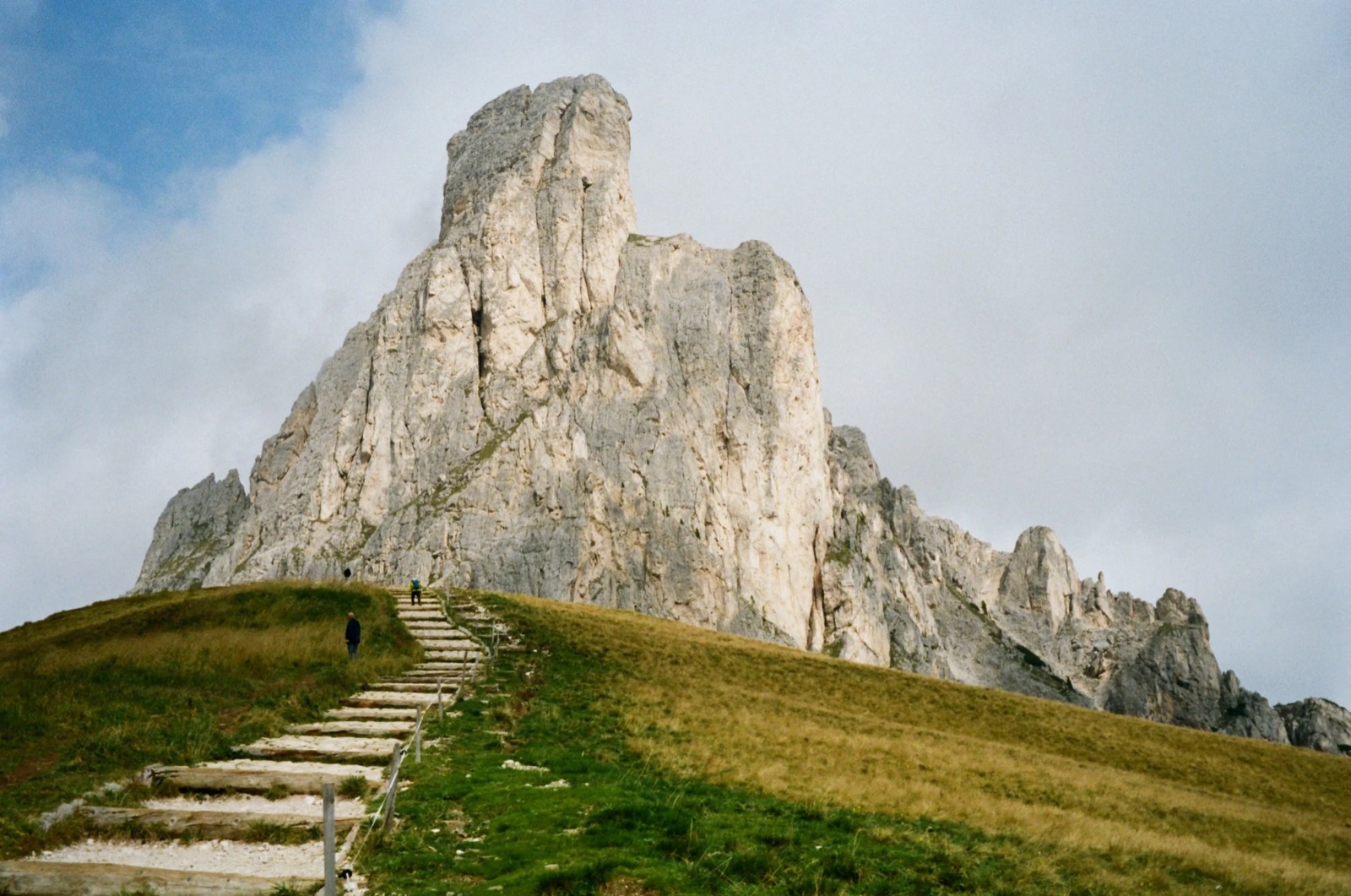
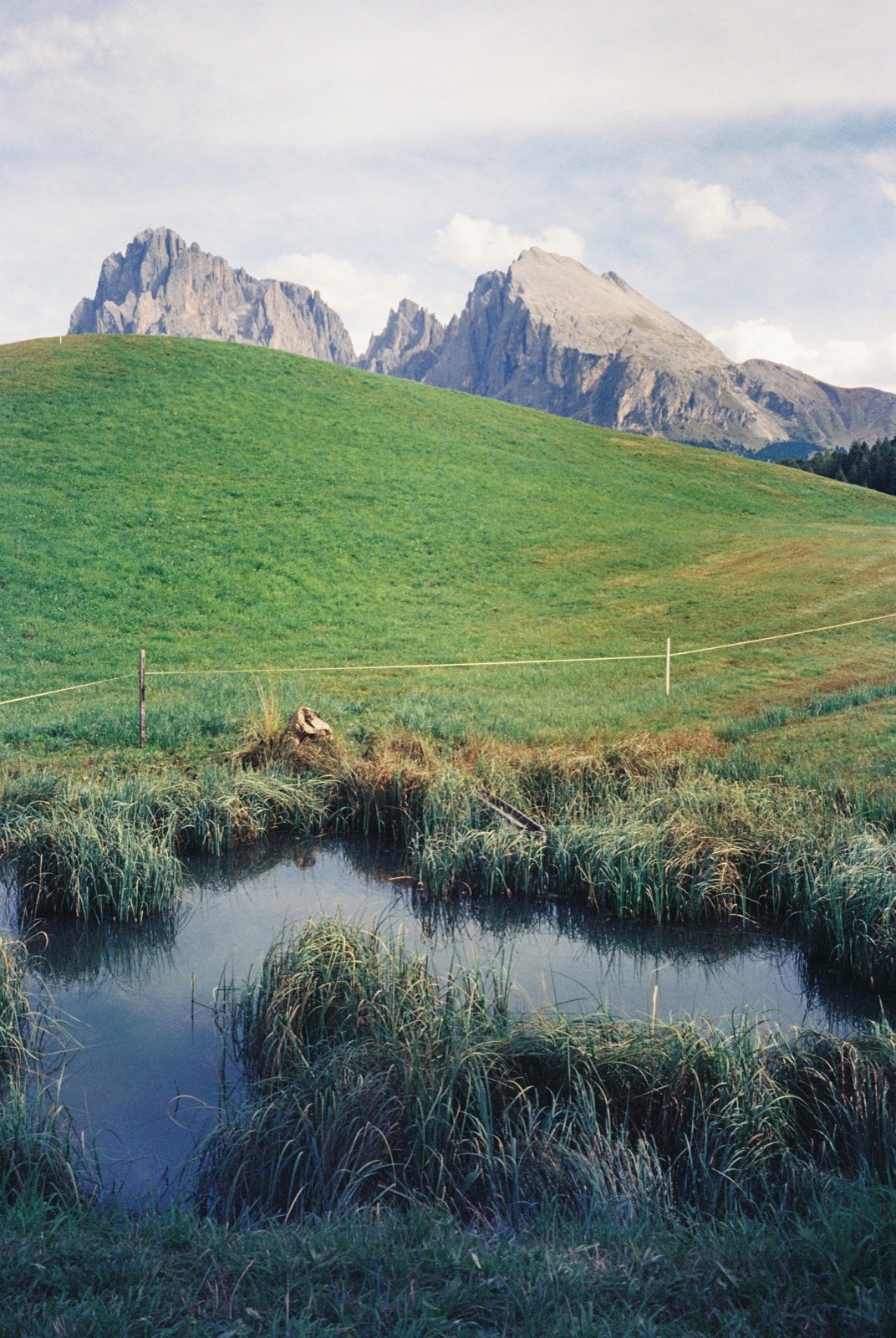
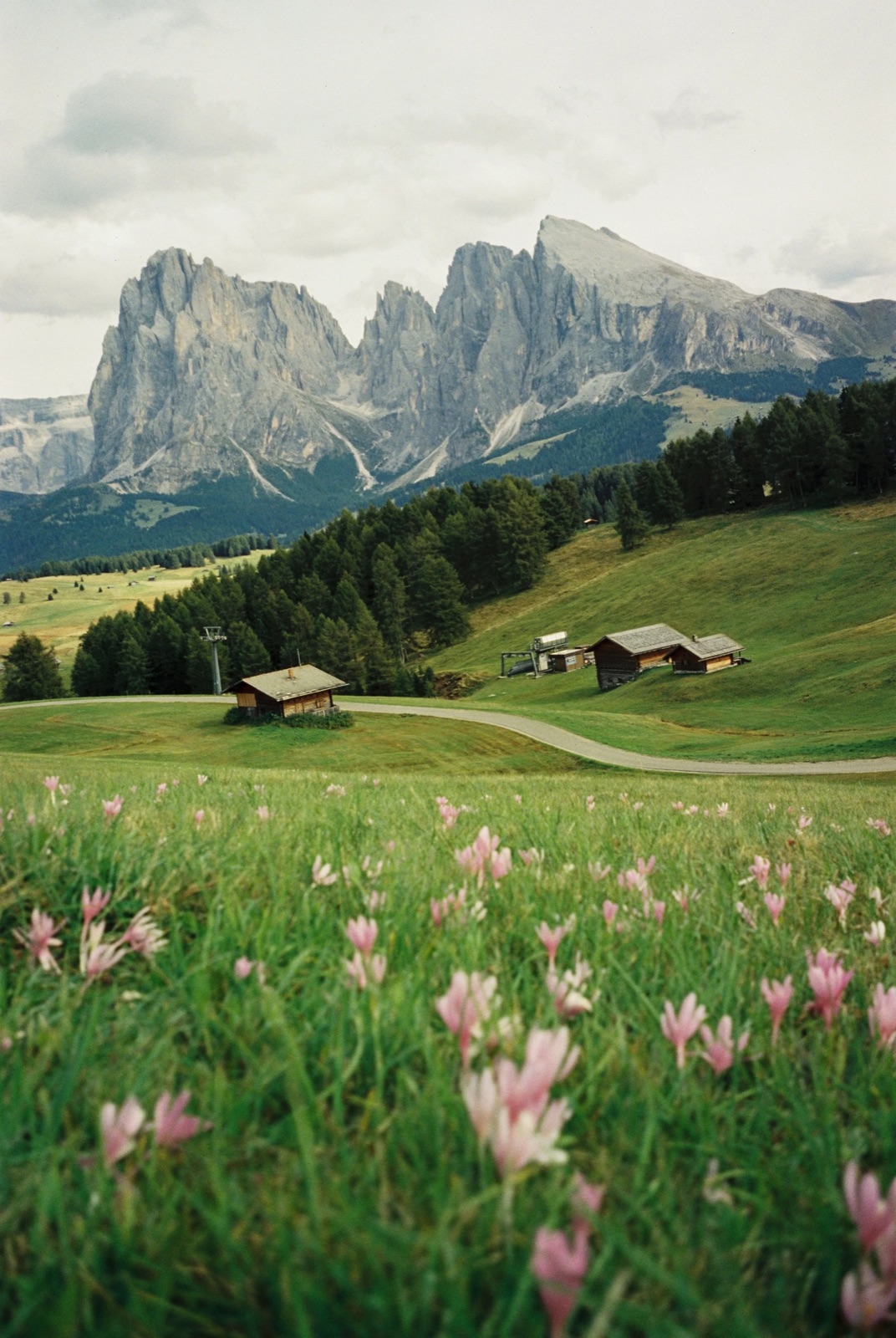
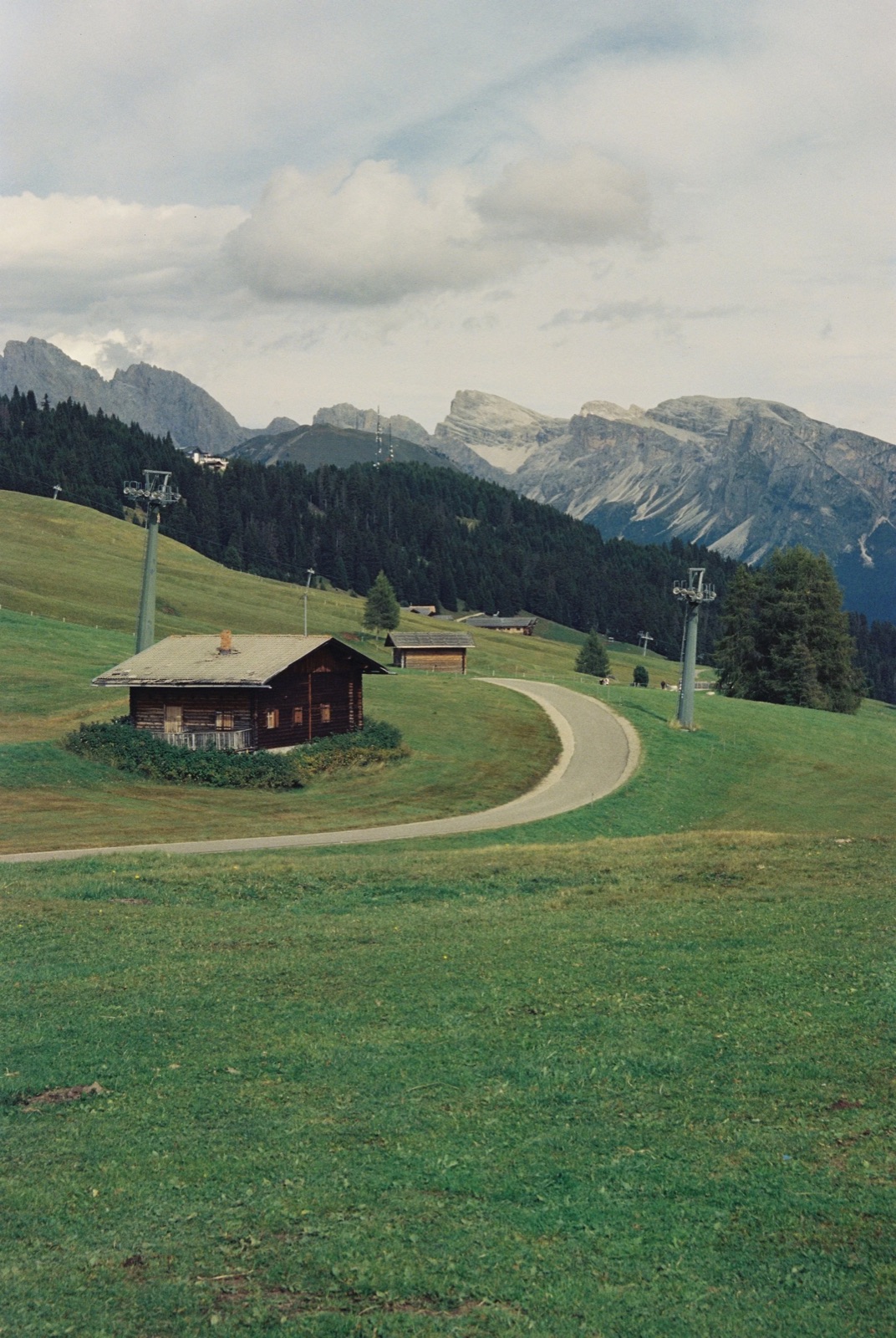
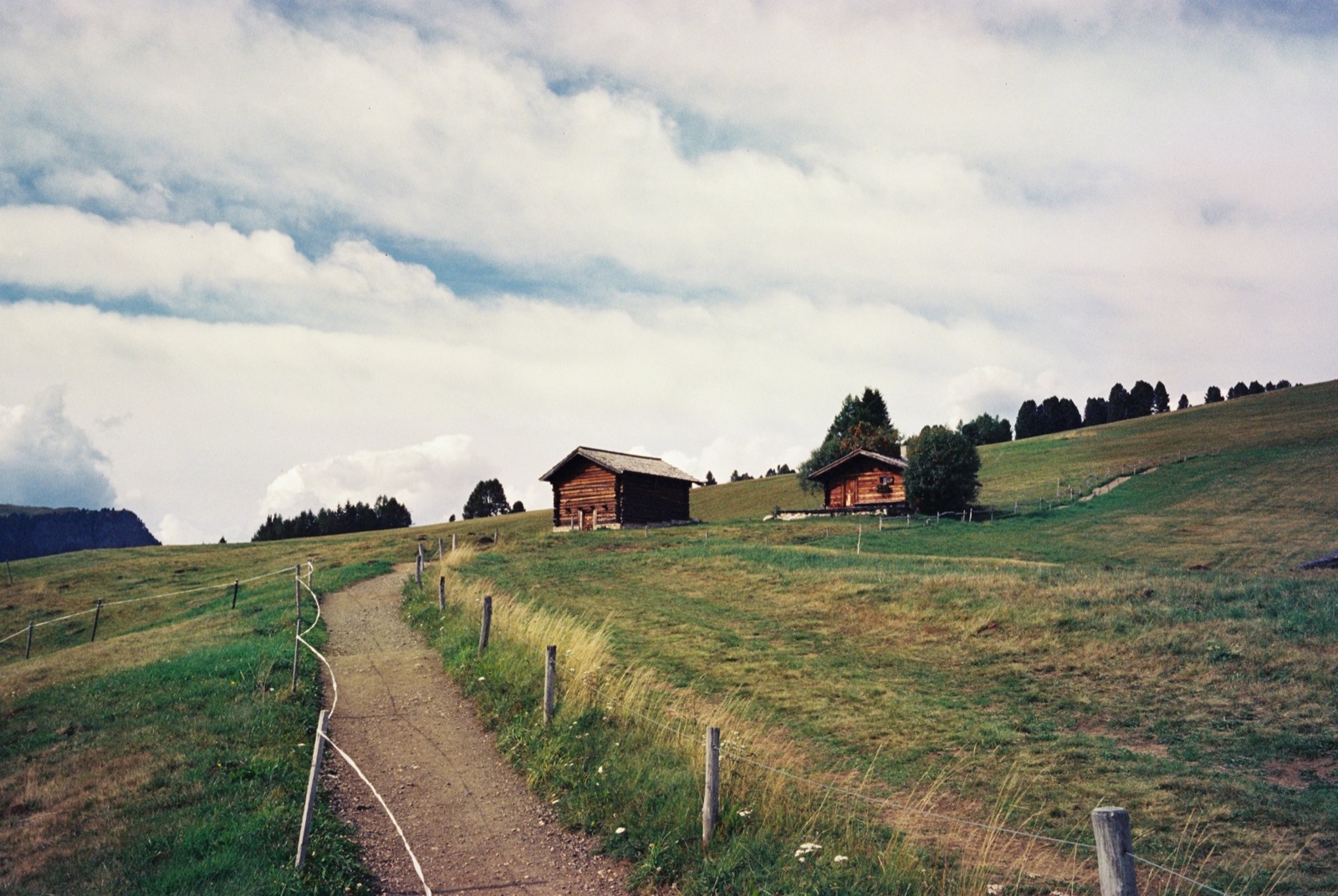
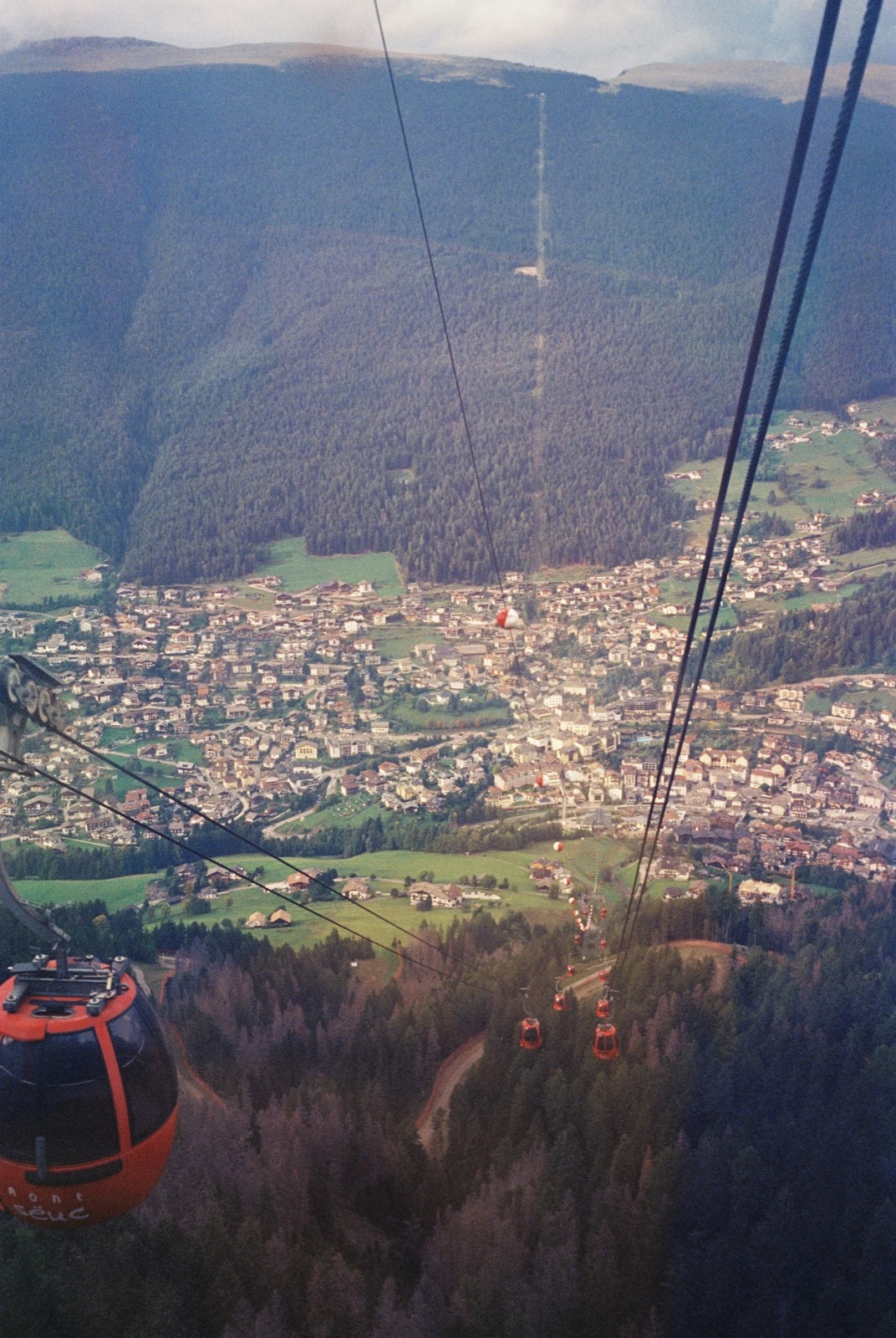
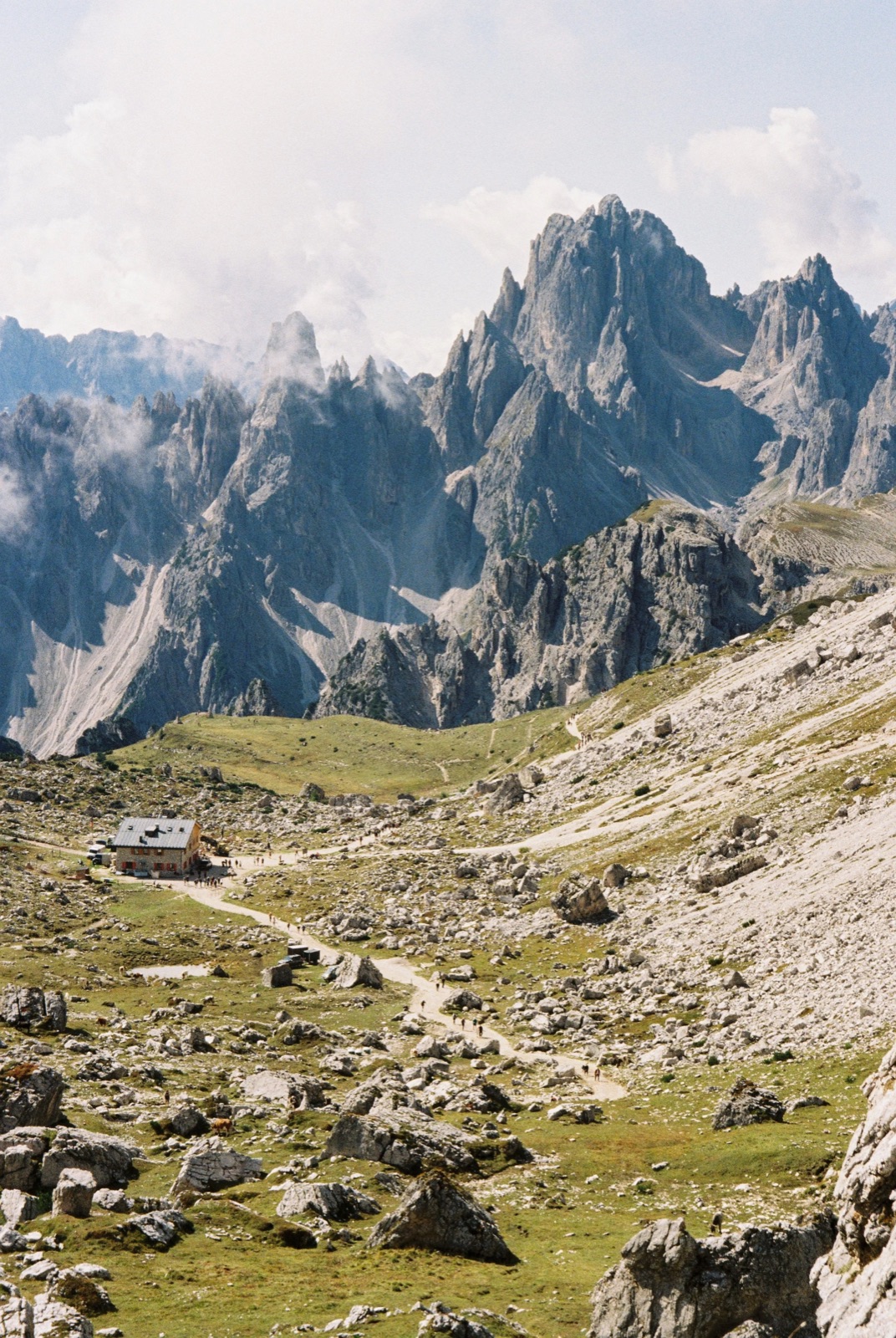
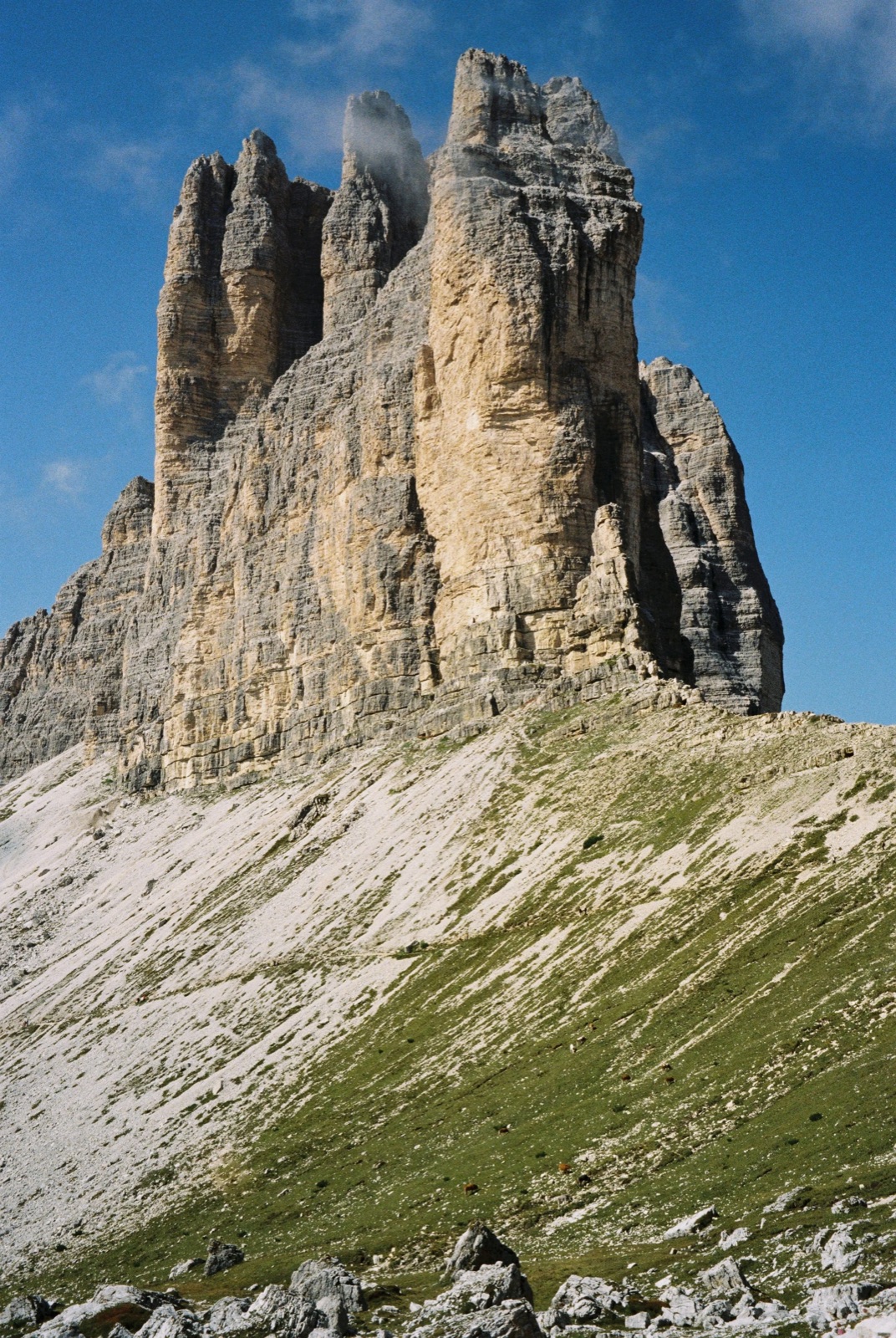
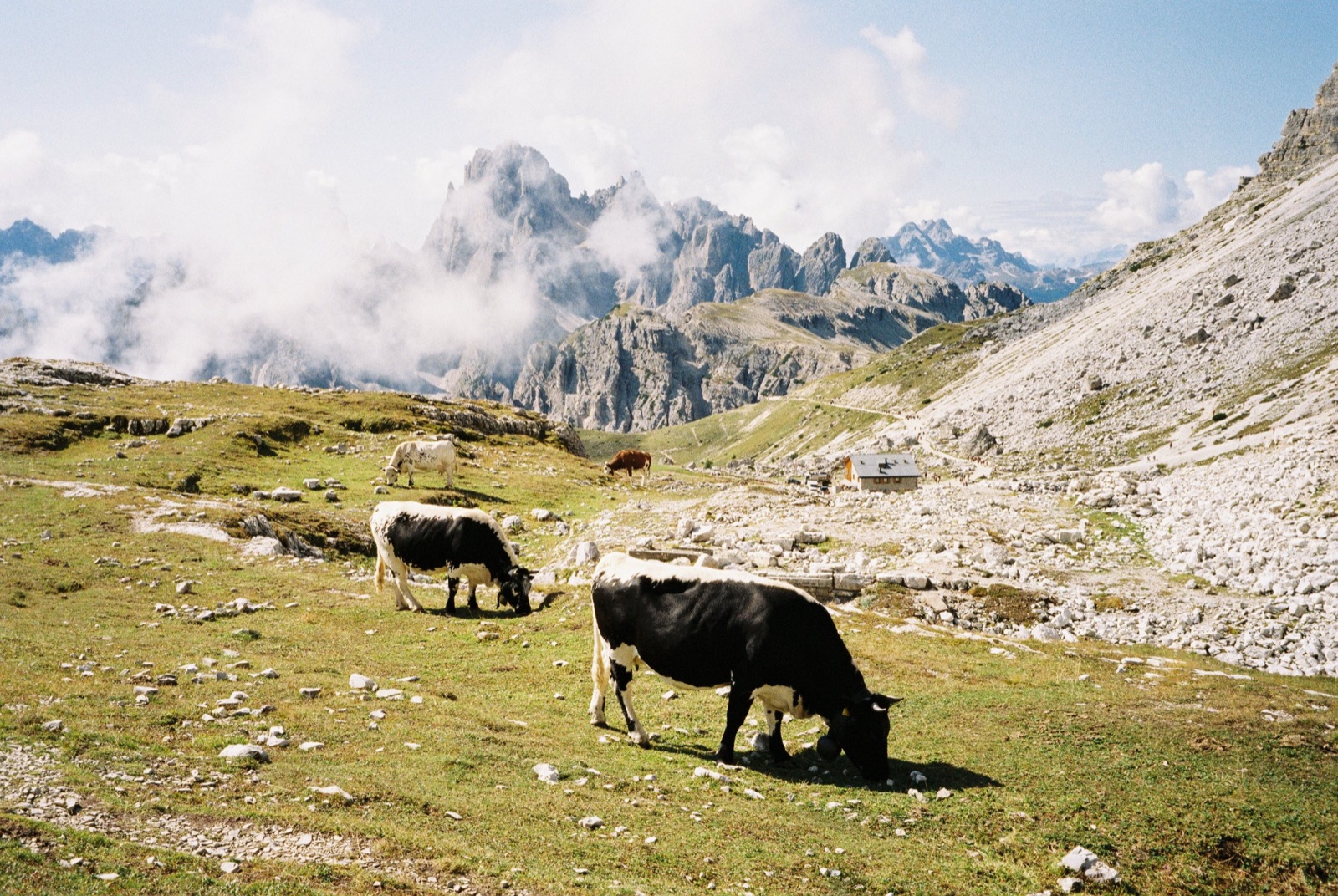
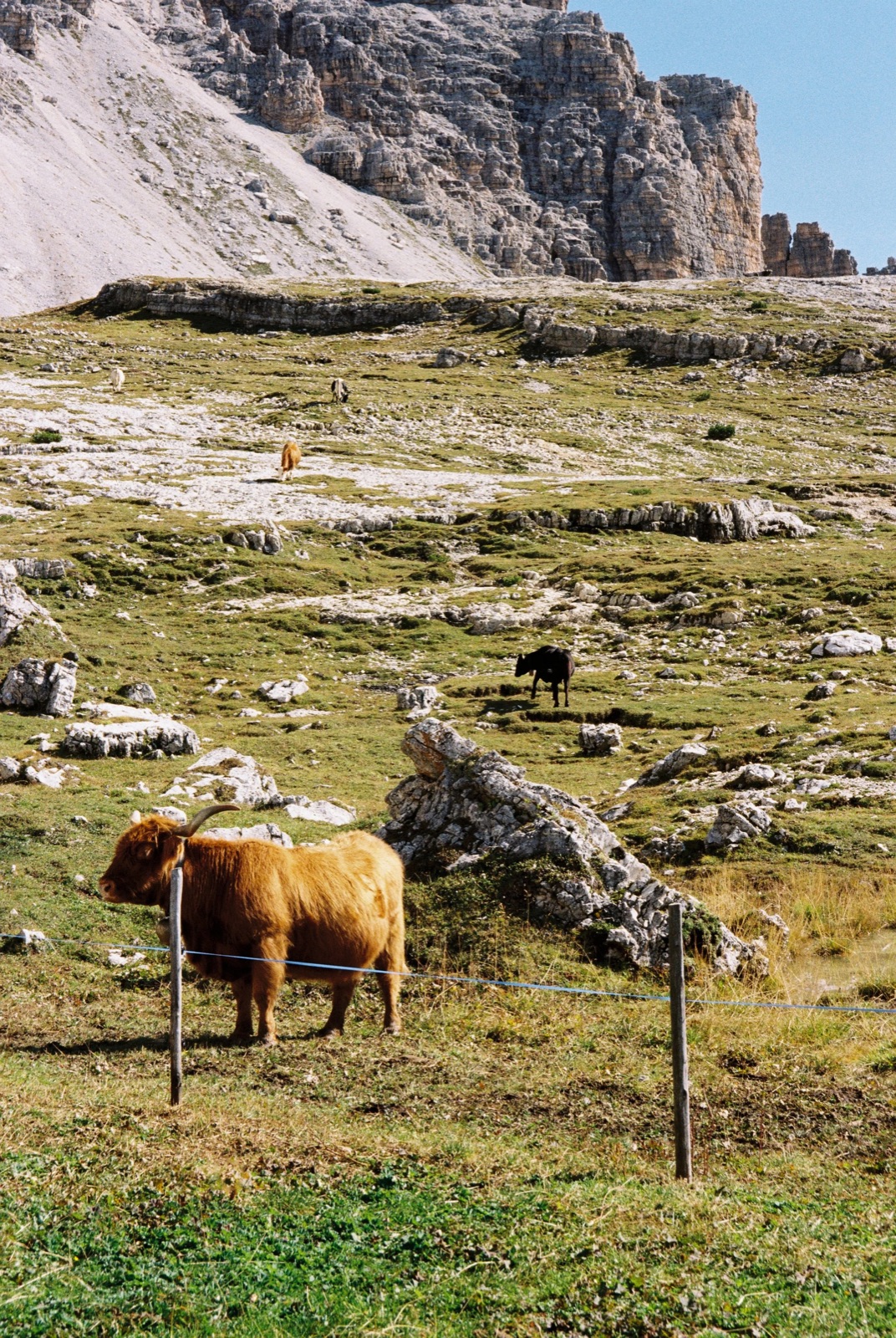
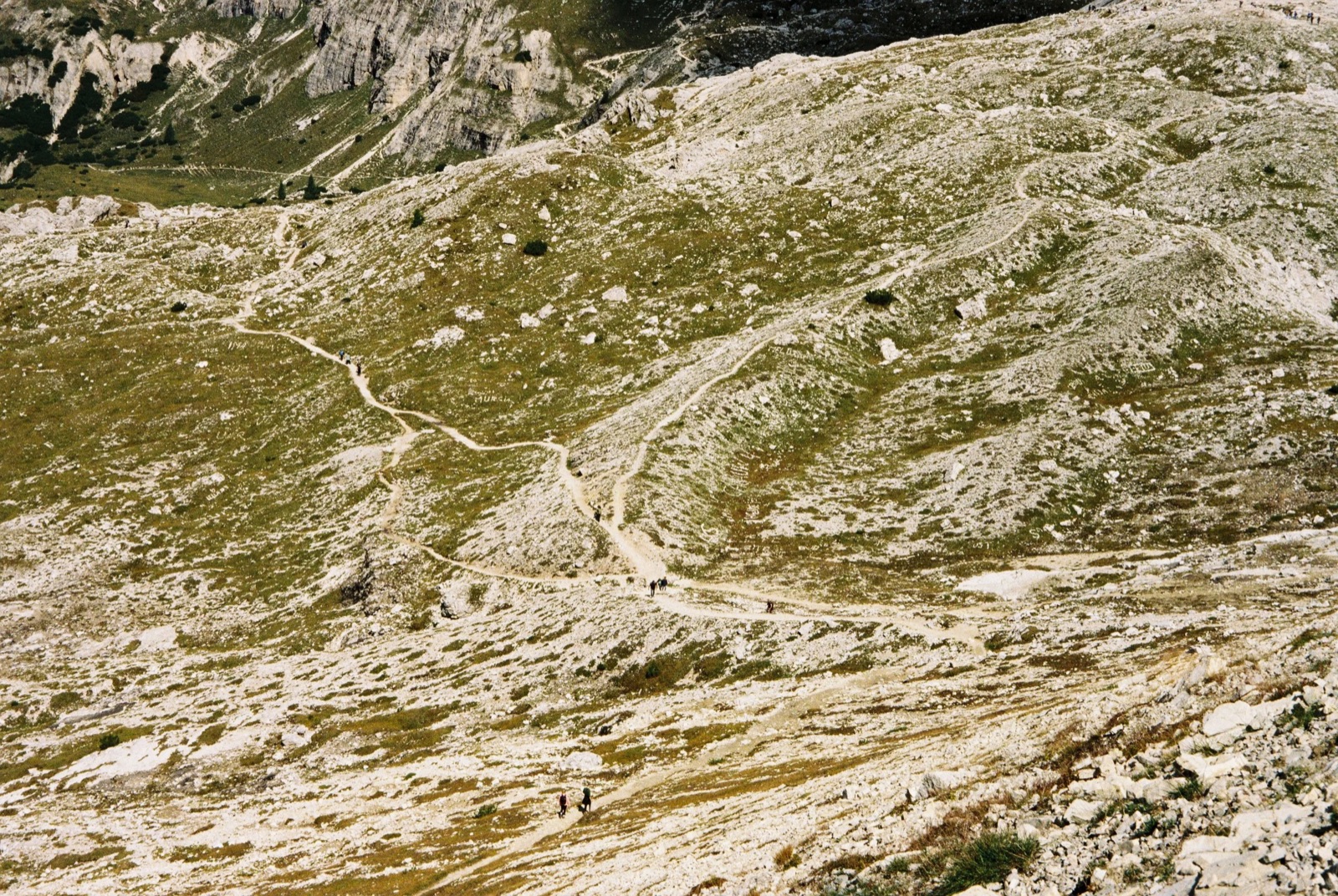
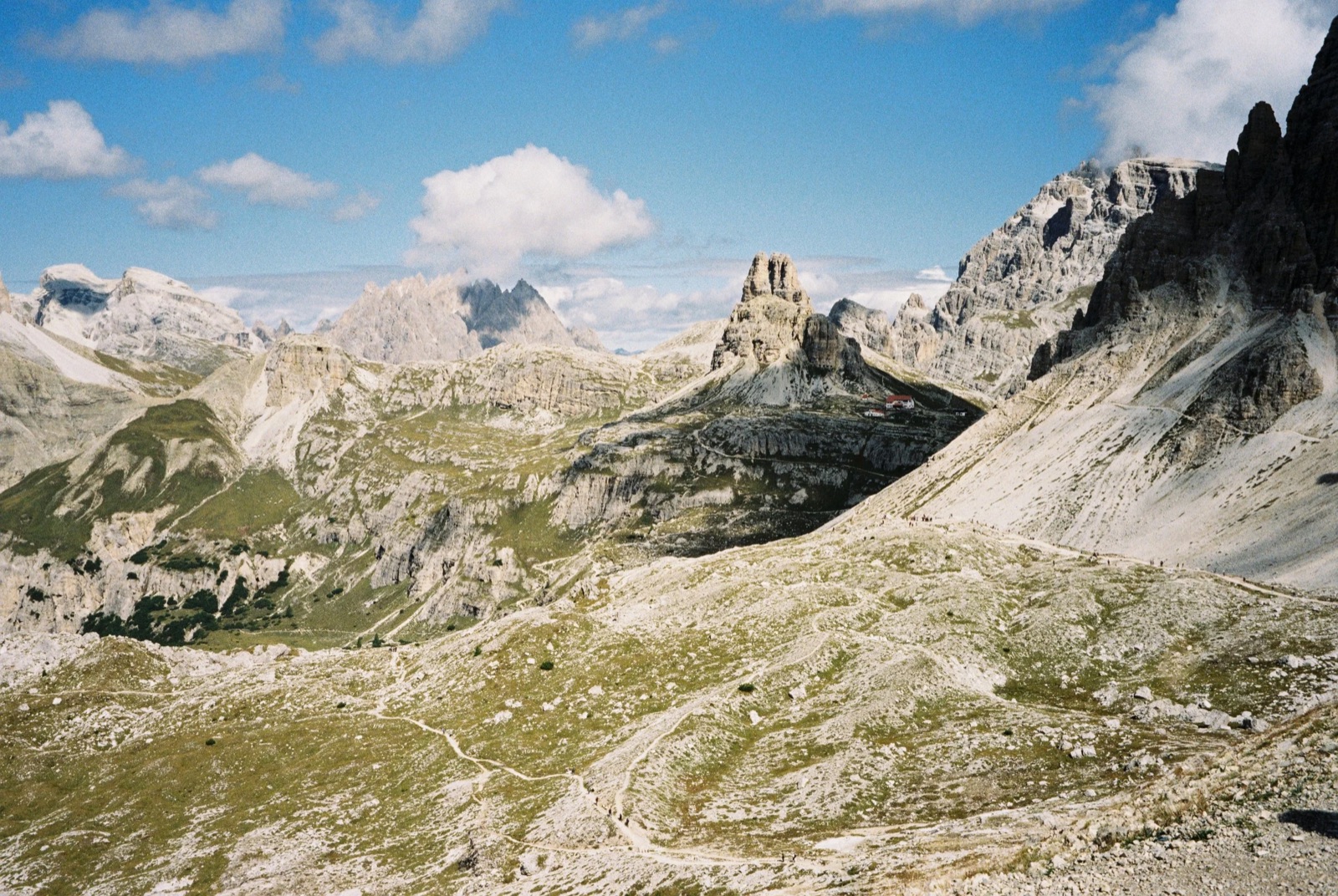
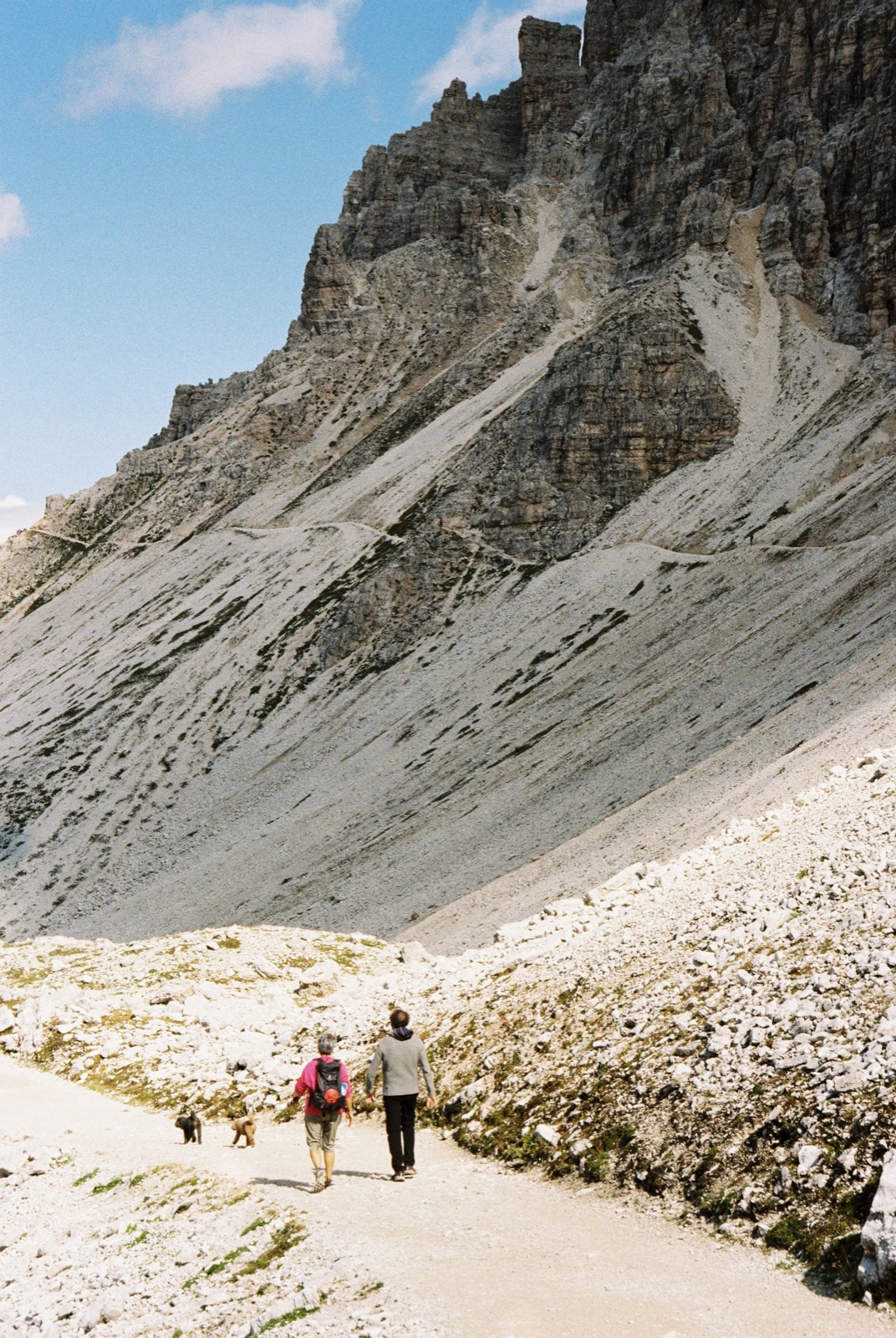
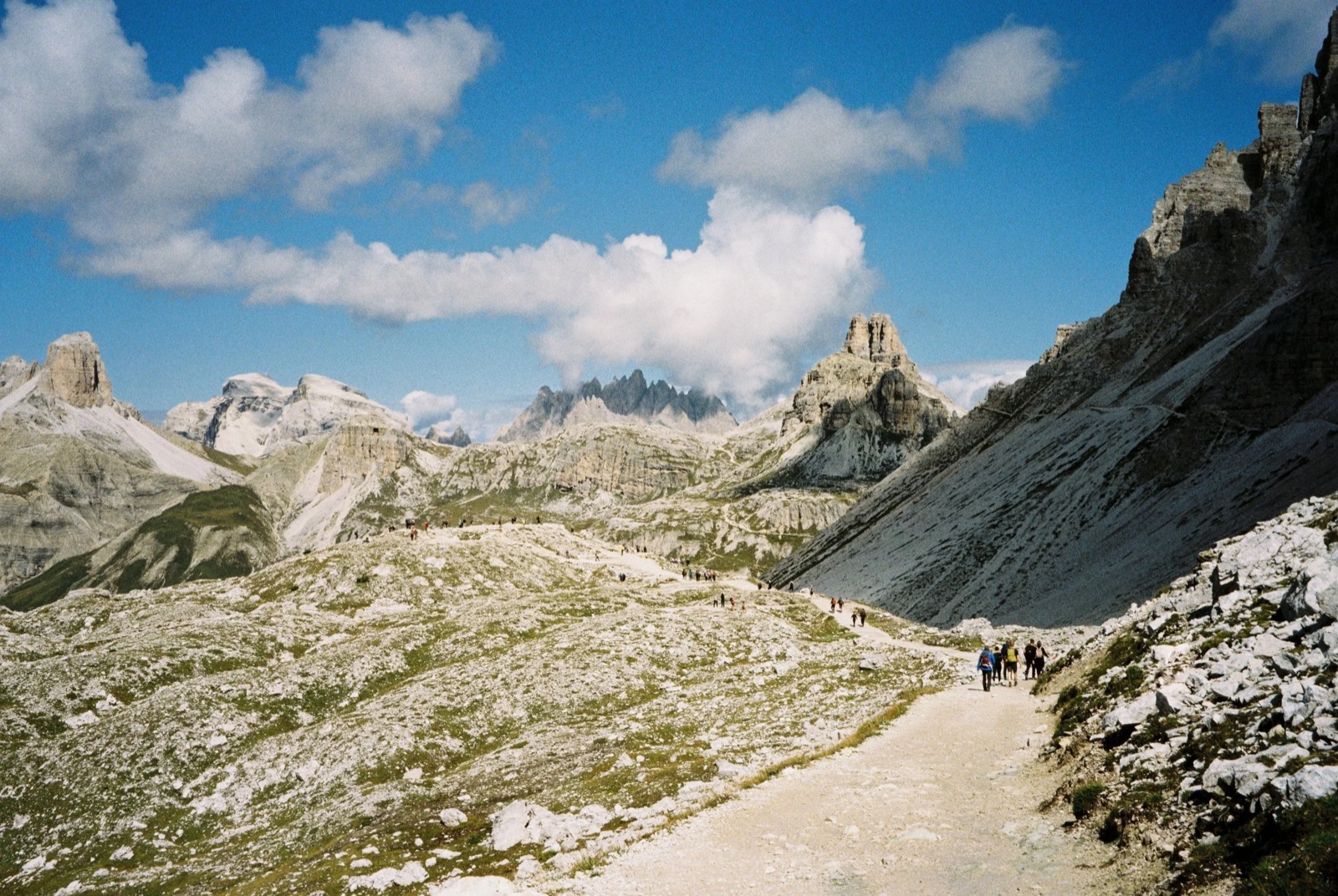
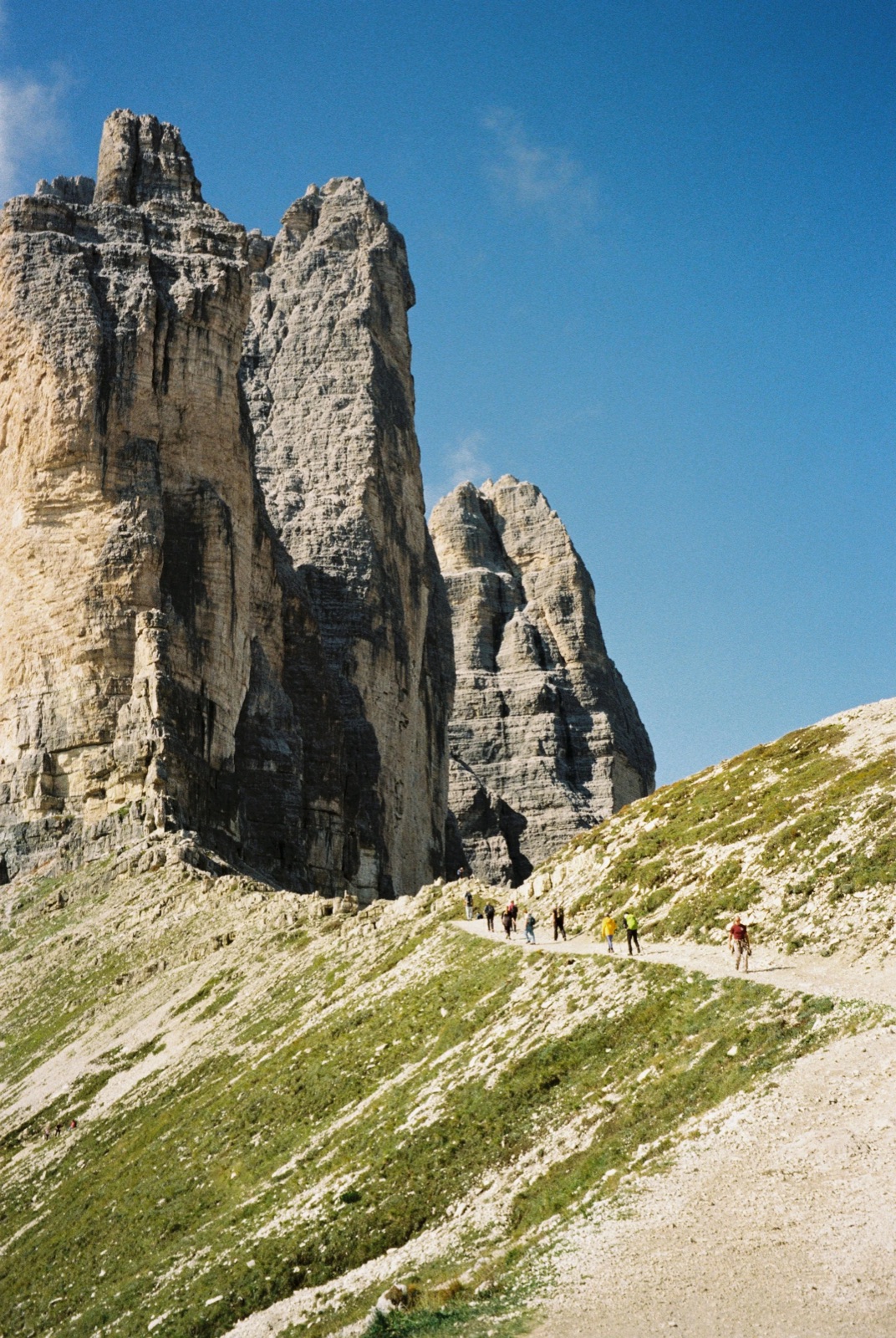
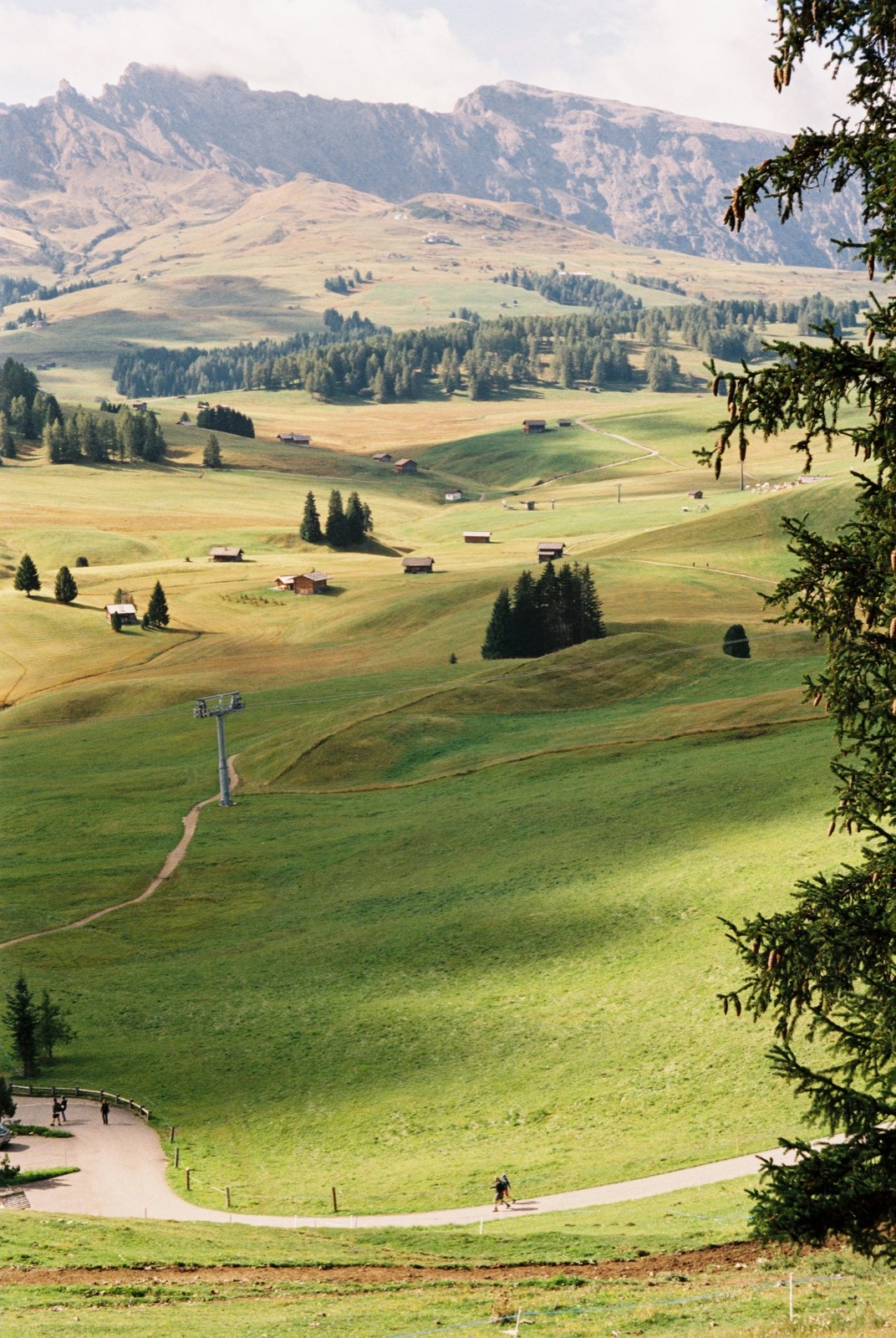
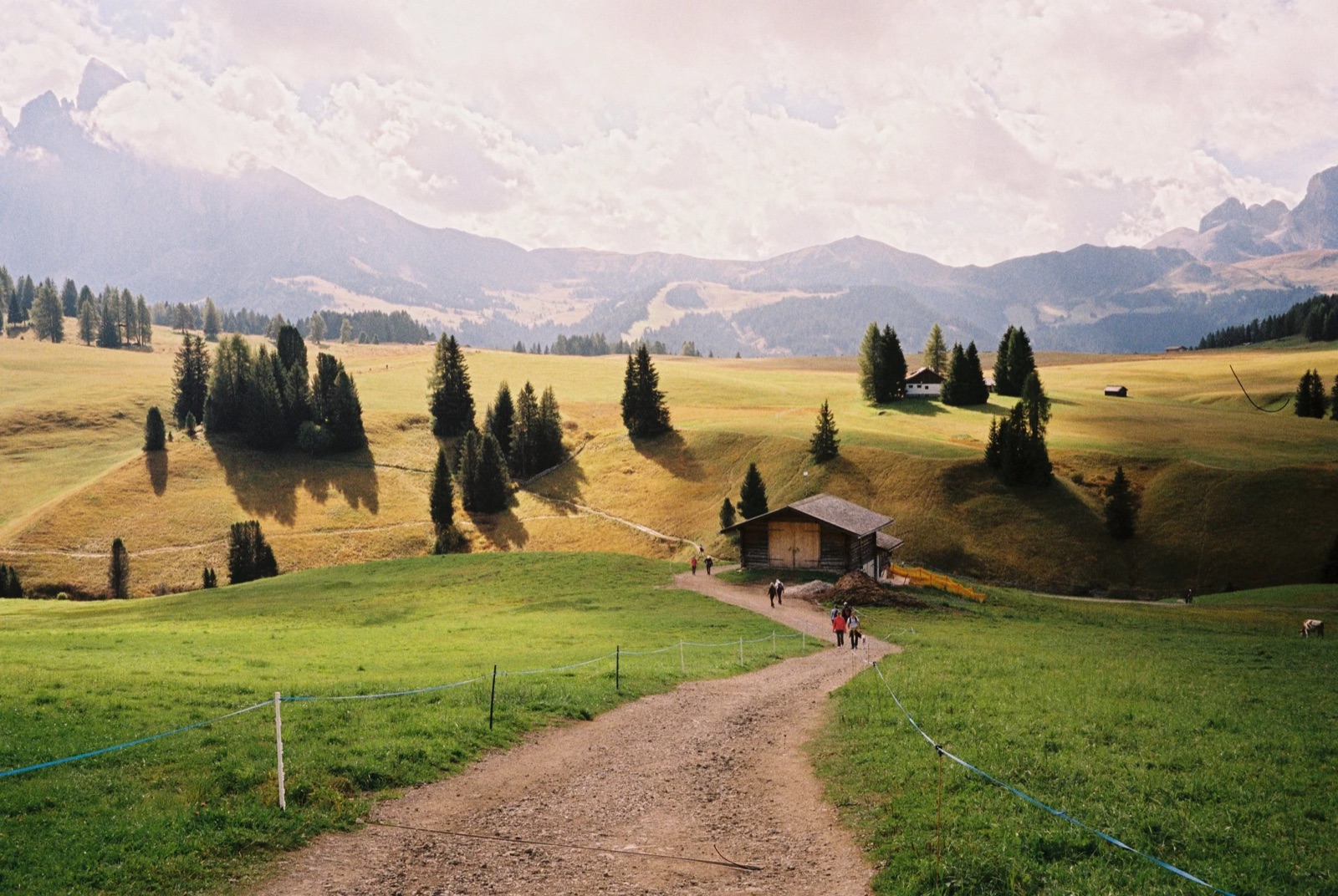
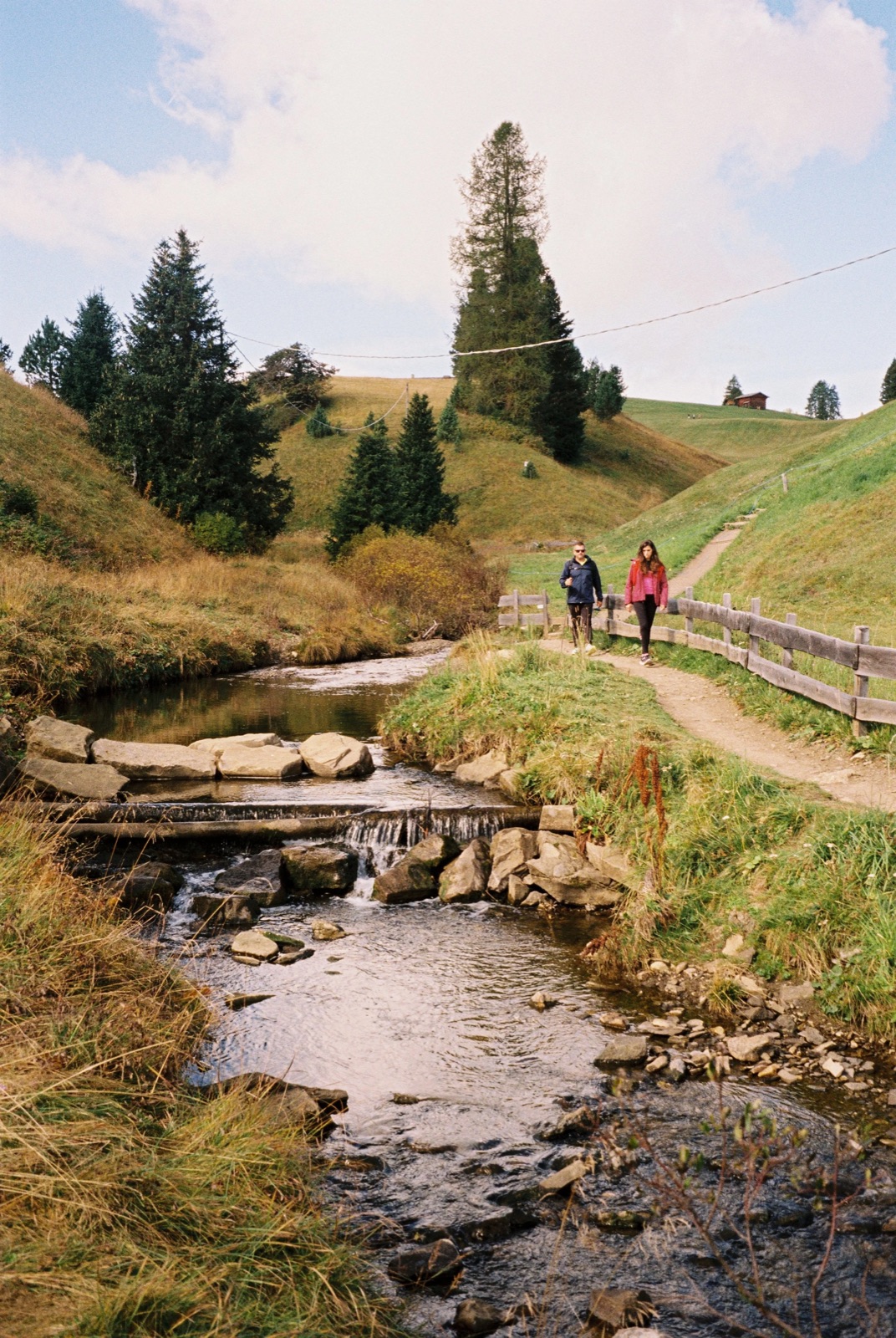
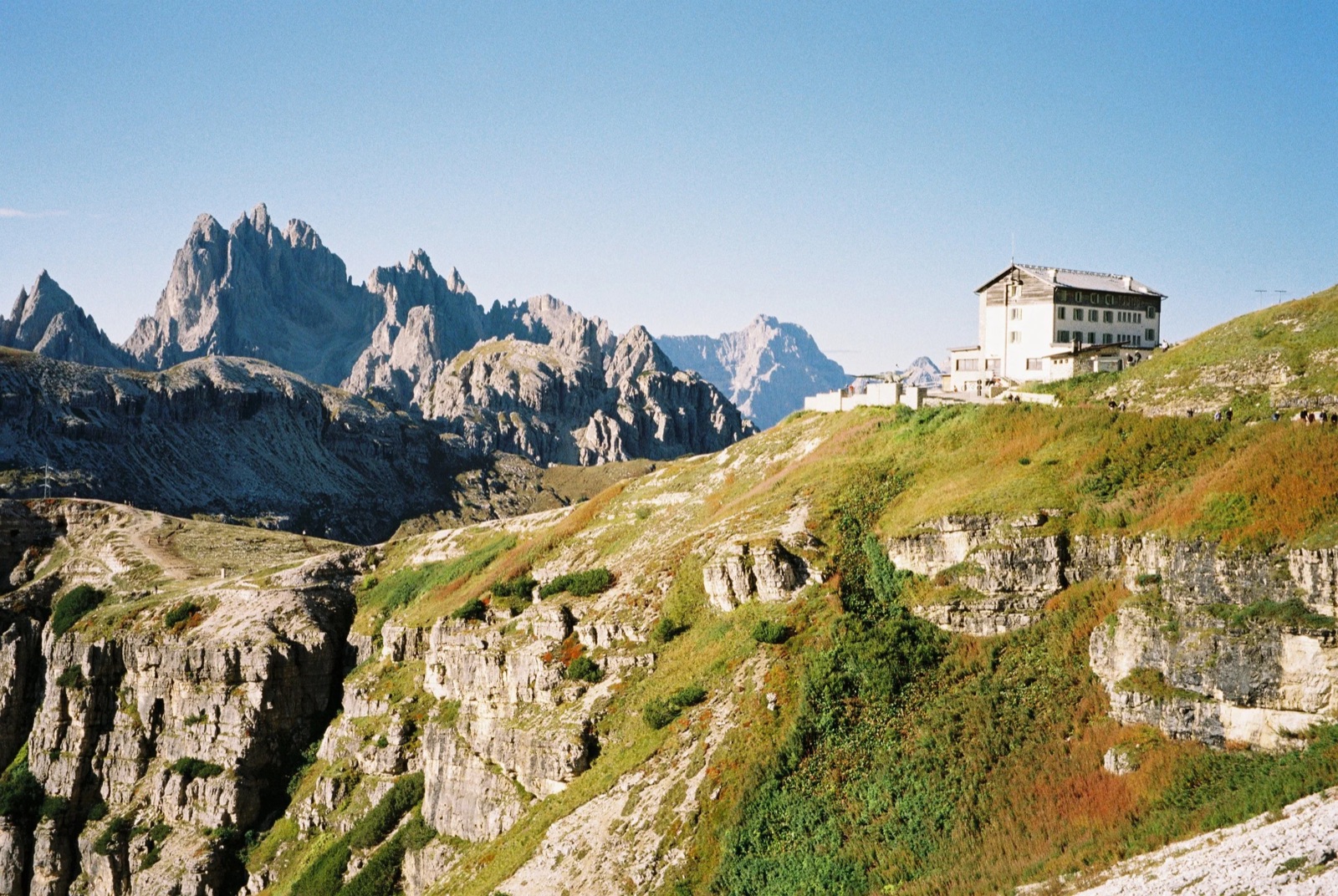
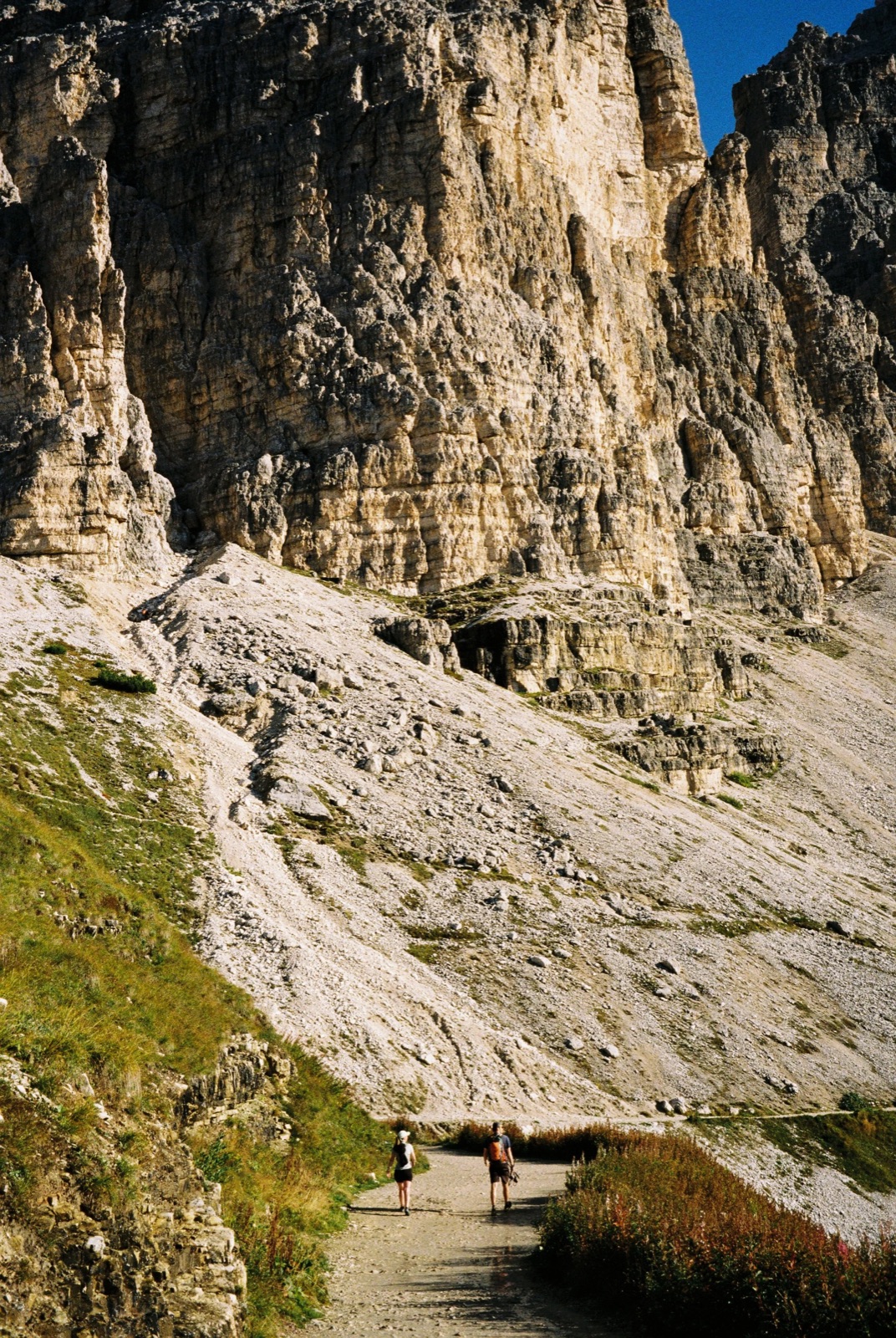
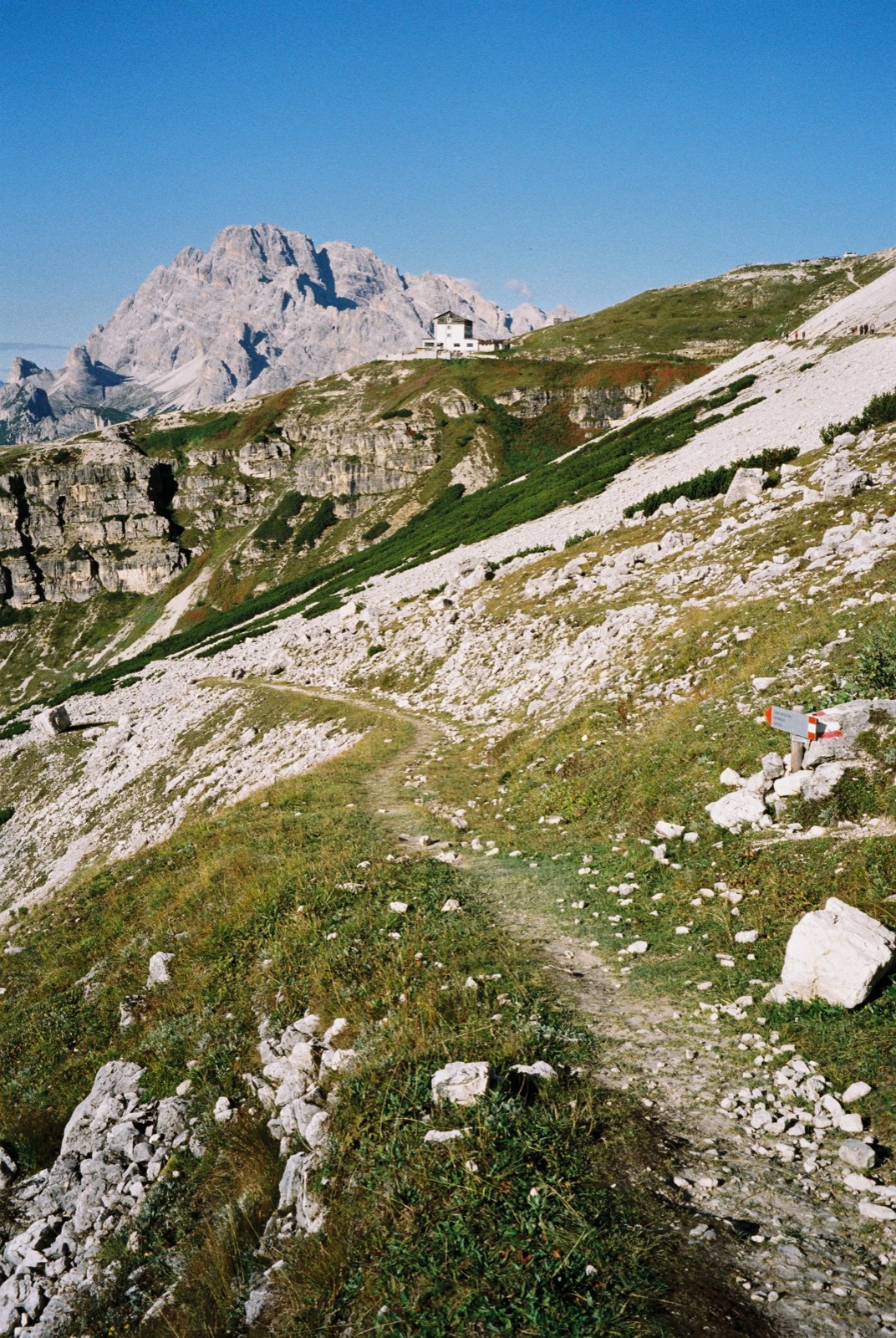
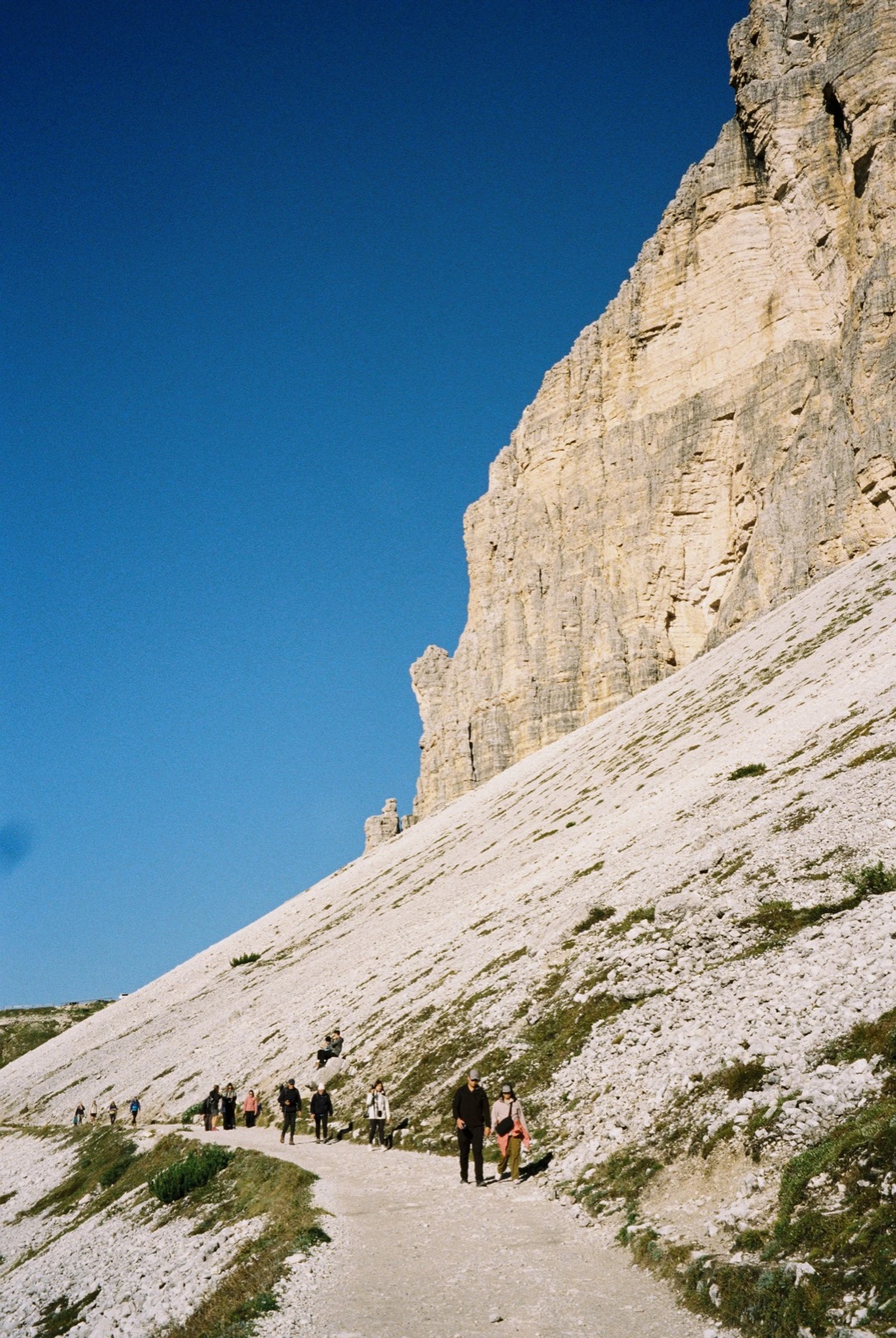
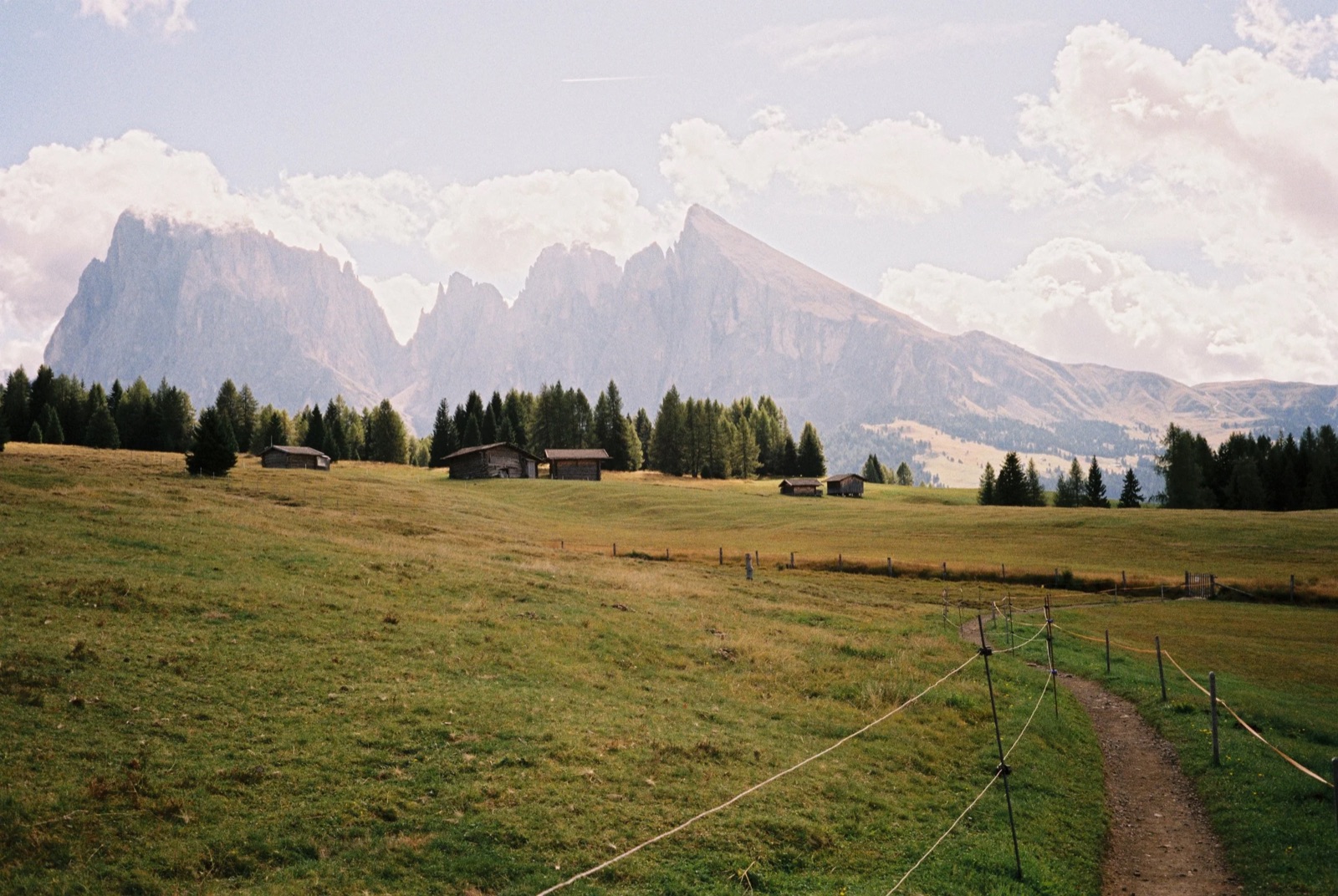
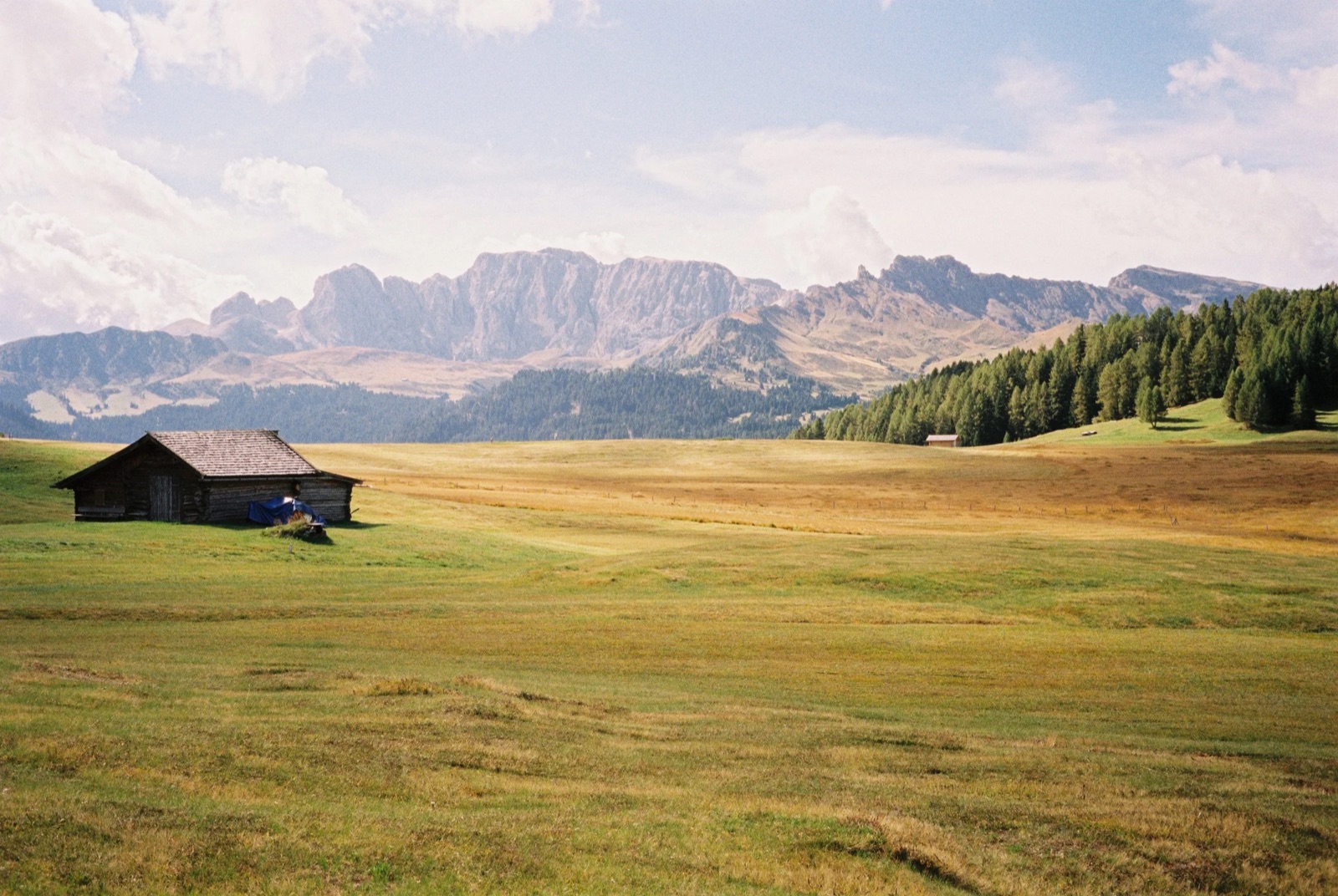
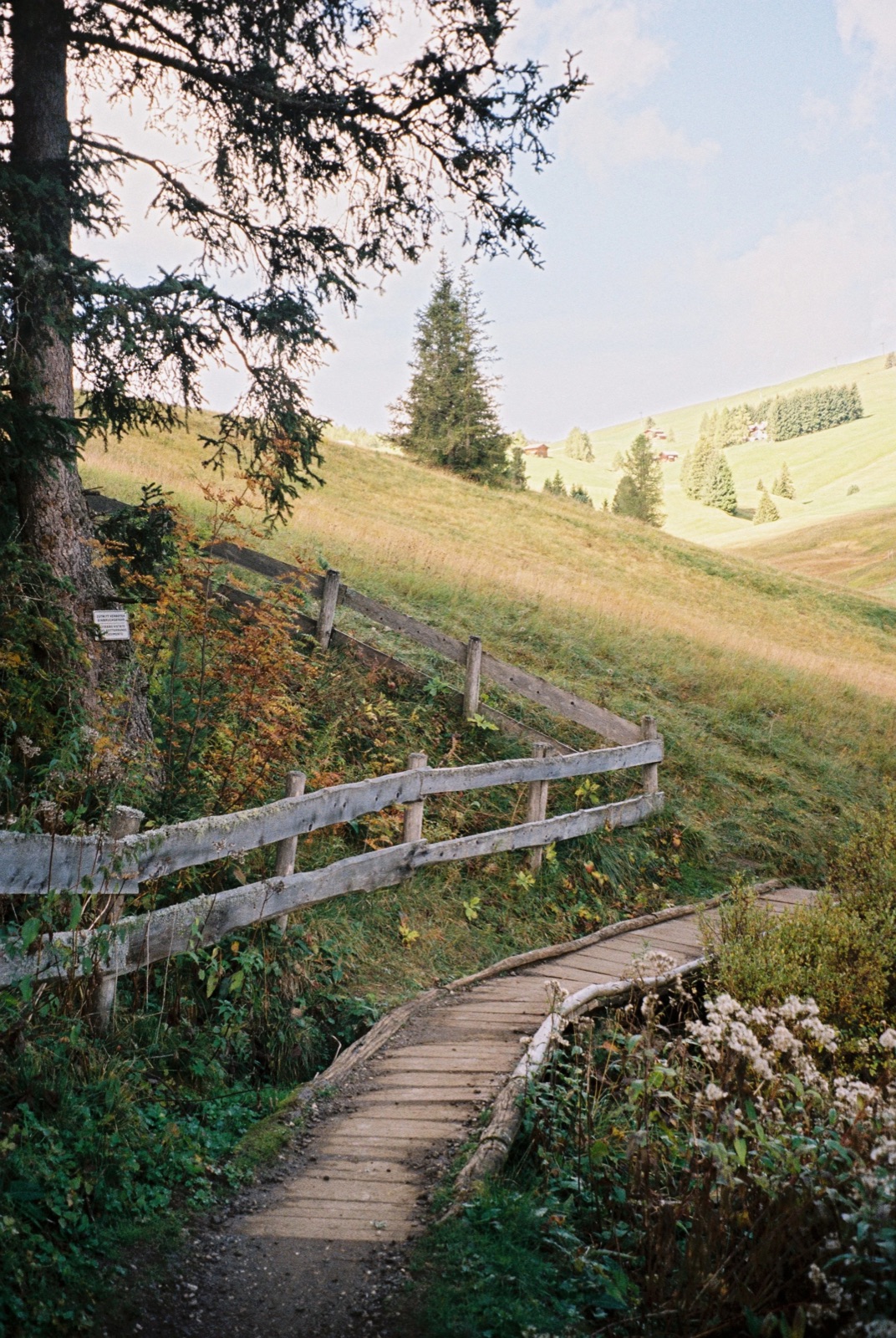
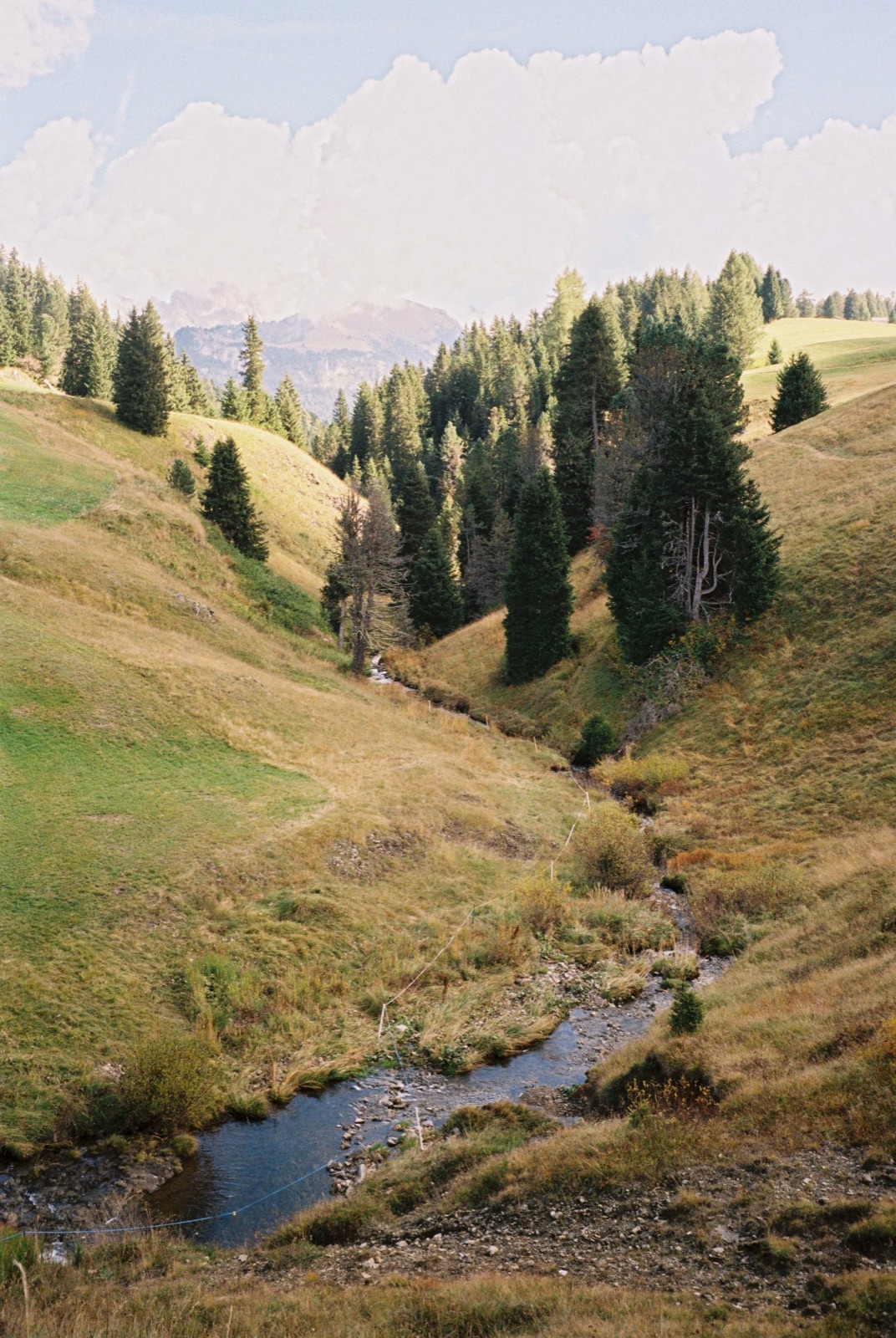
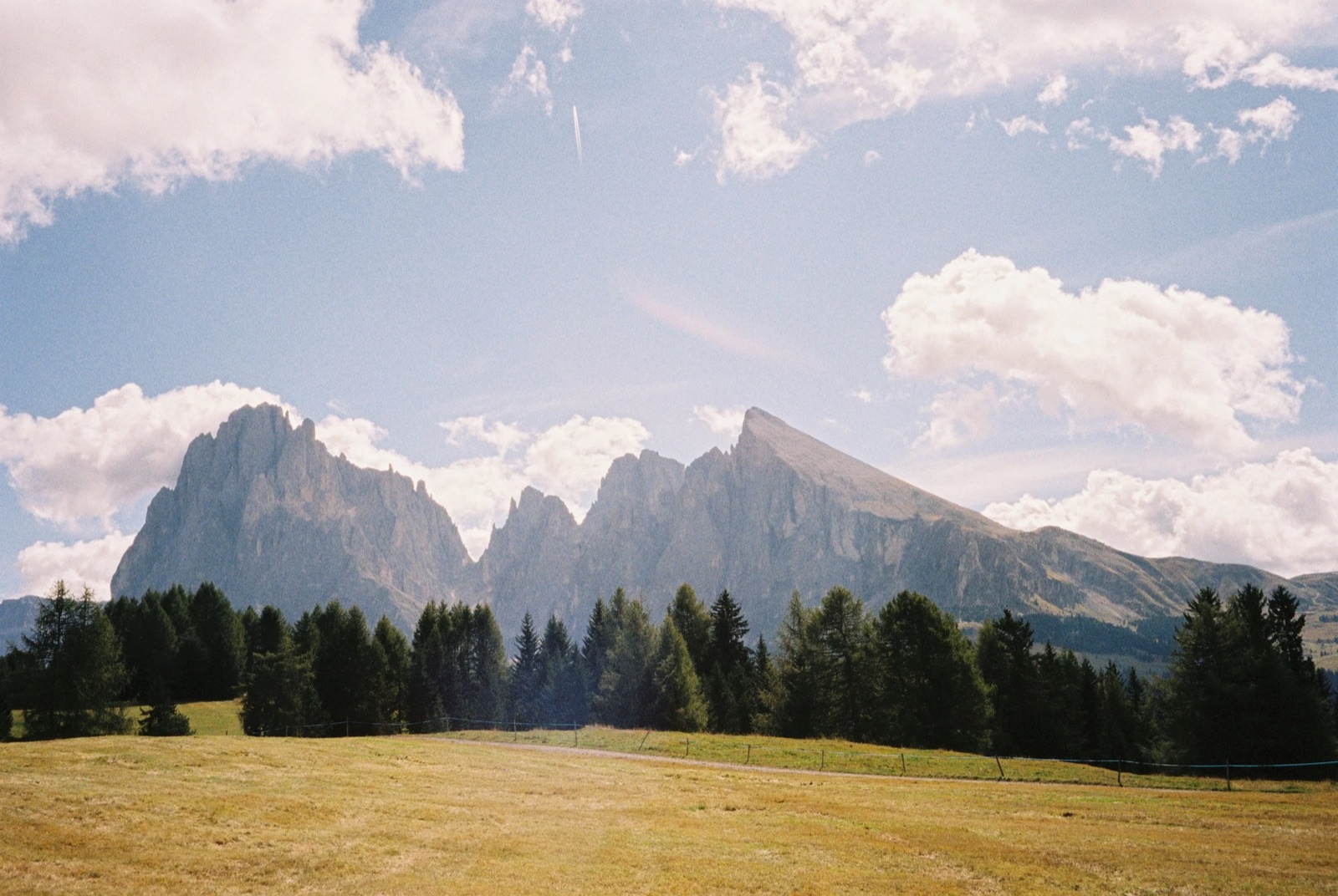
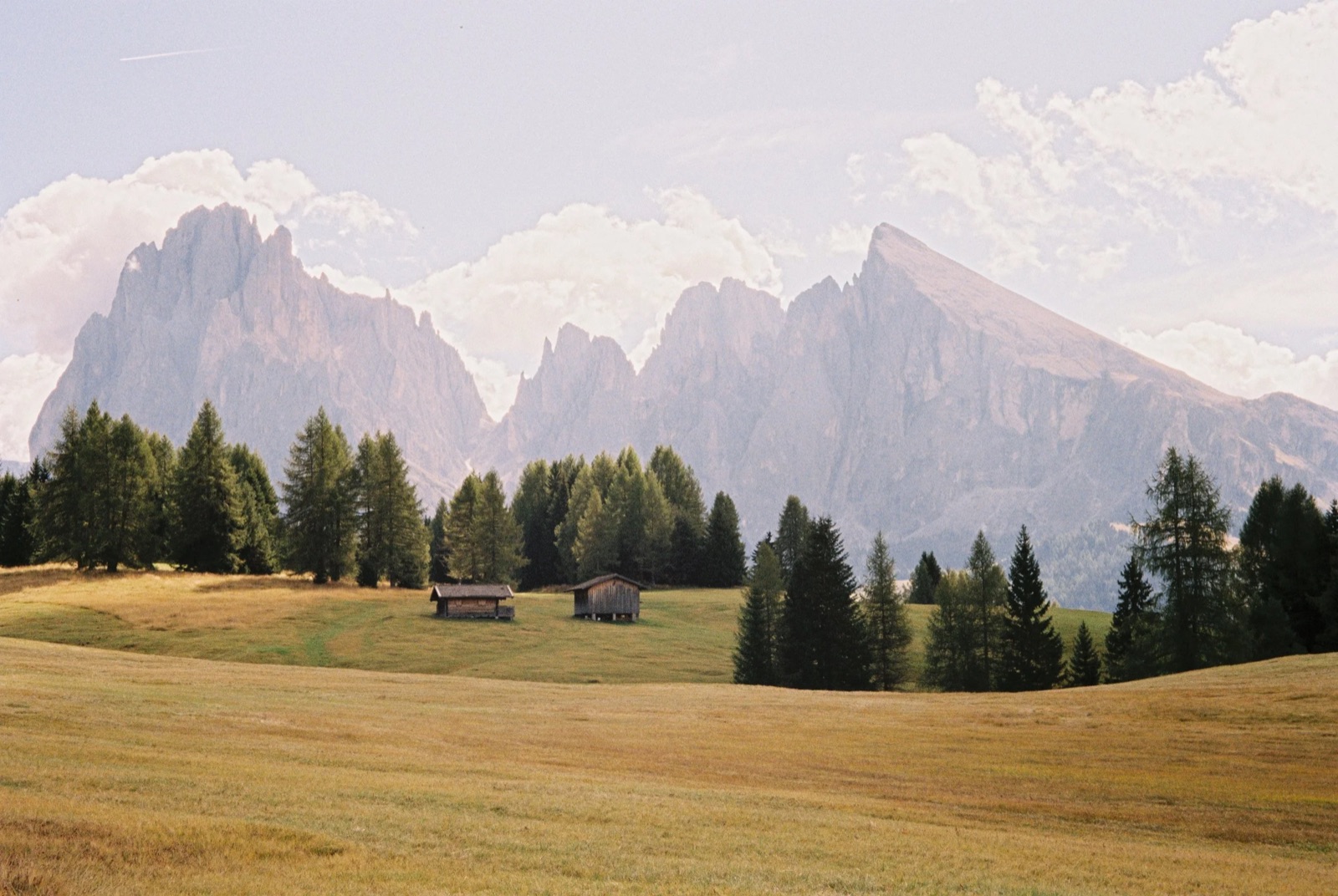
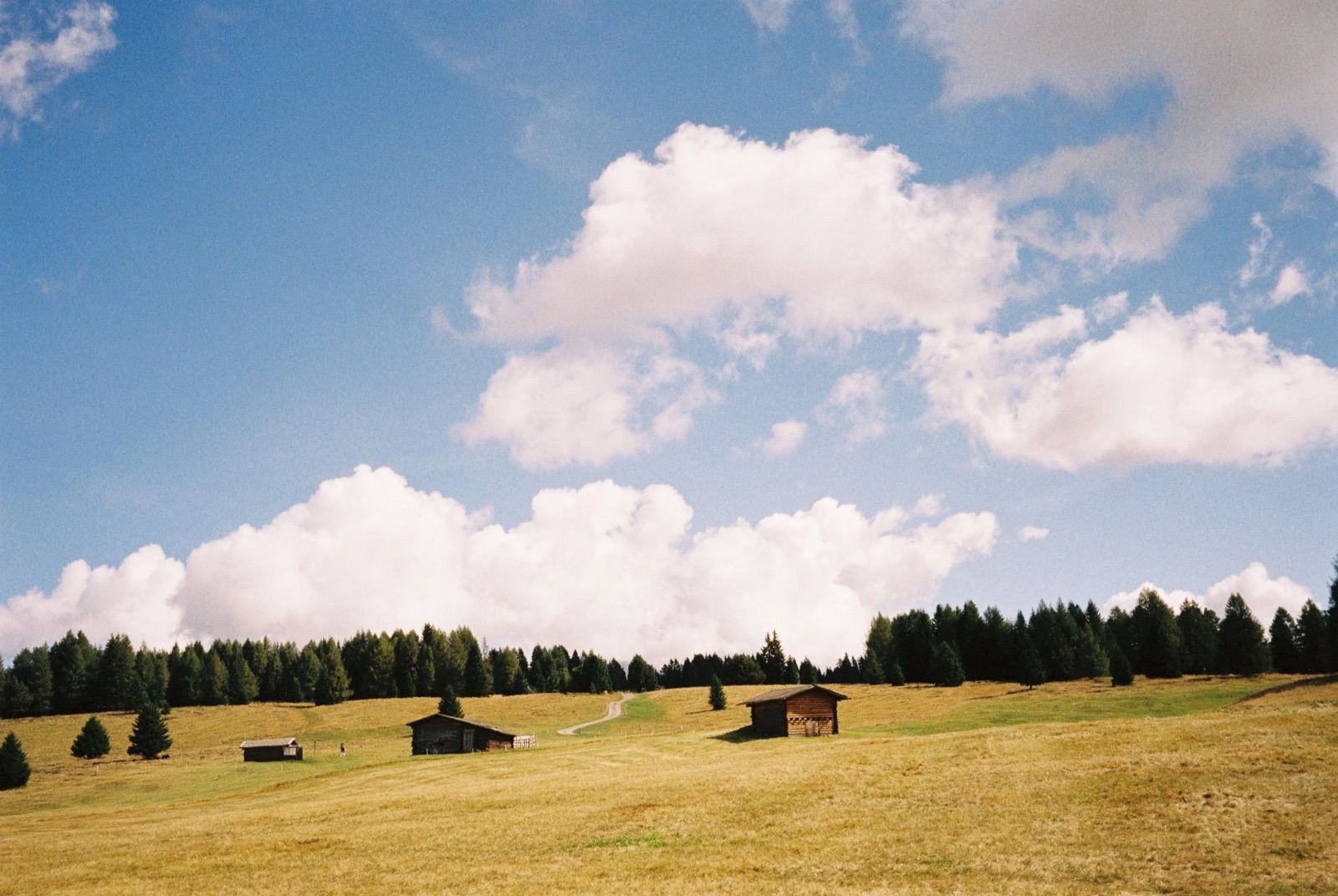
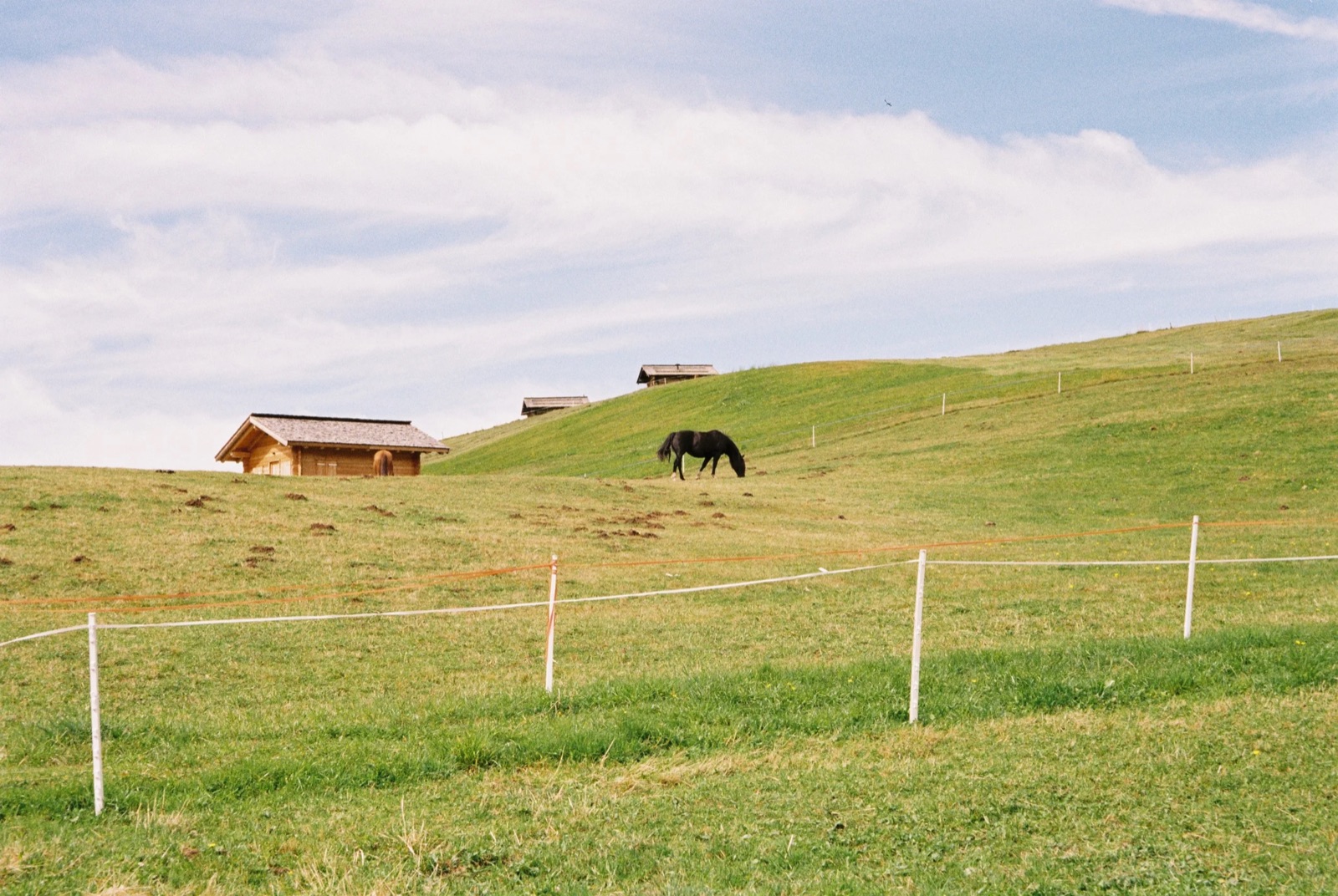
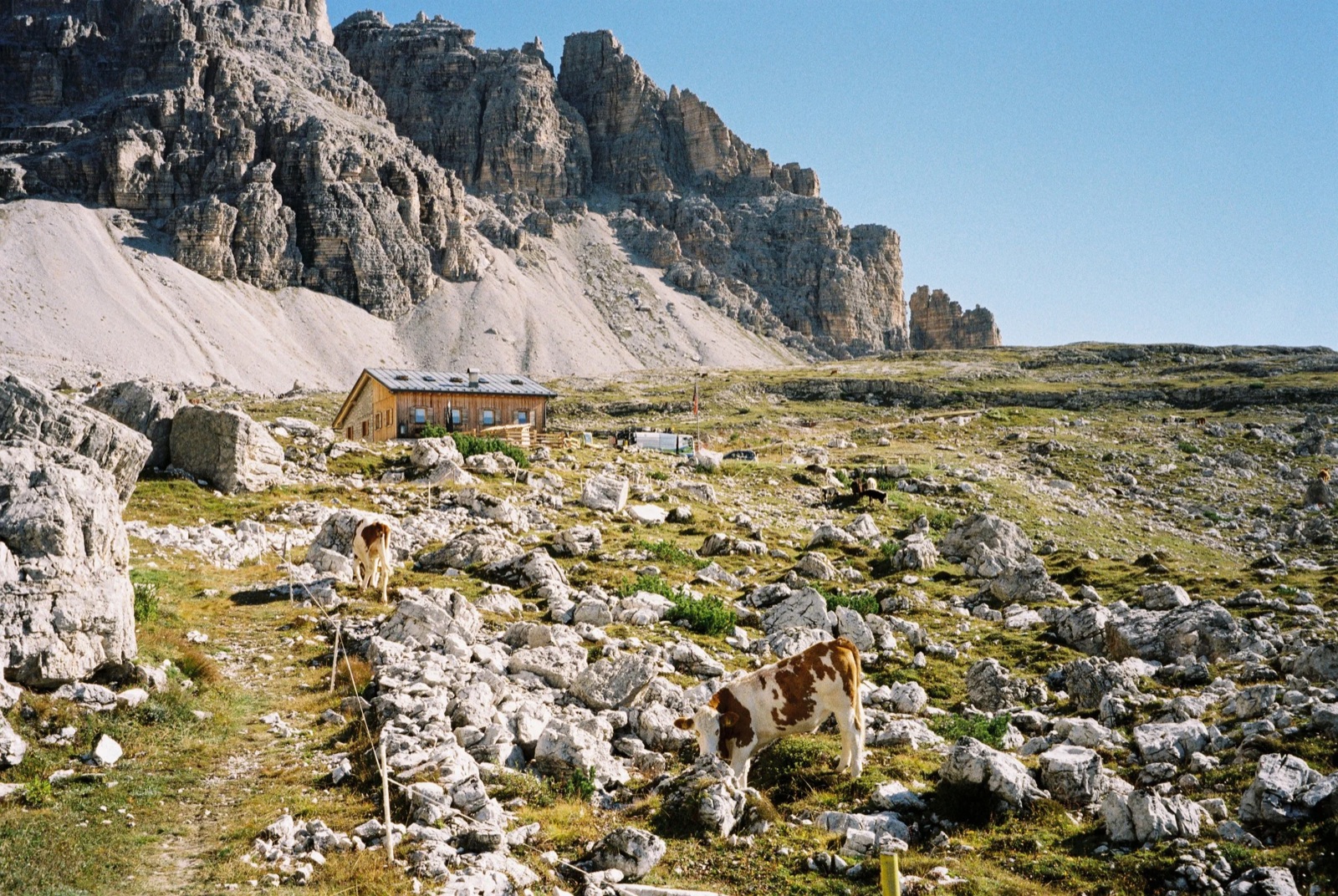
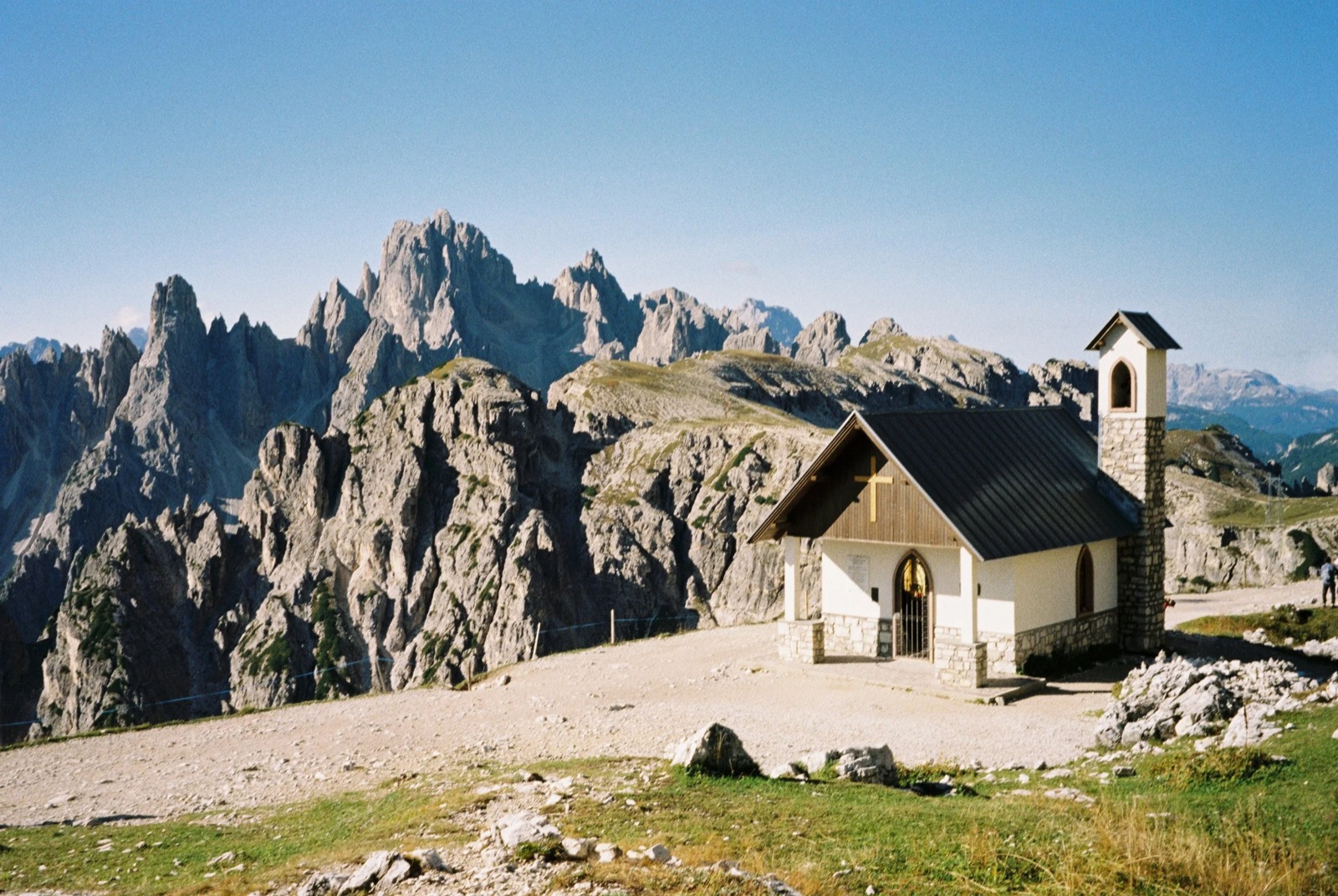
Before owning this camera, I assumed I would always prefer the fixed 40mm lens of the standard Minilux. However, shooting landscapes in the mountains completely changed that perspective. The ability to move seamlessly from a wider field of view to a more compressed composition without physically repositioning myself created new creative opportunities.
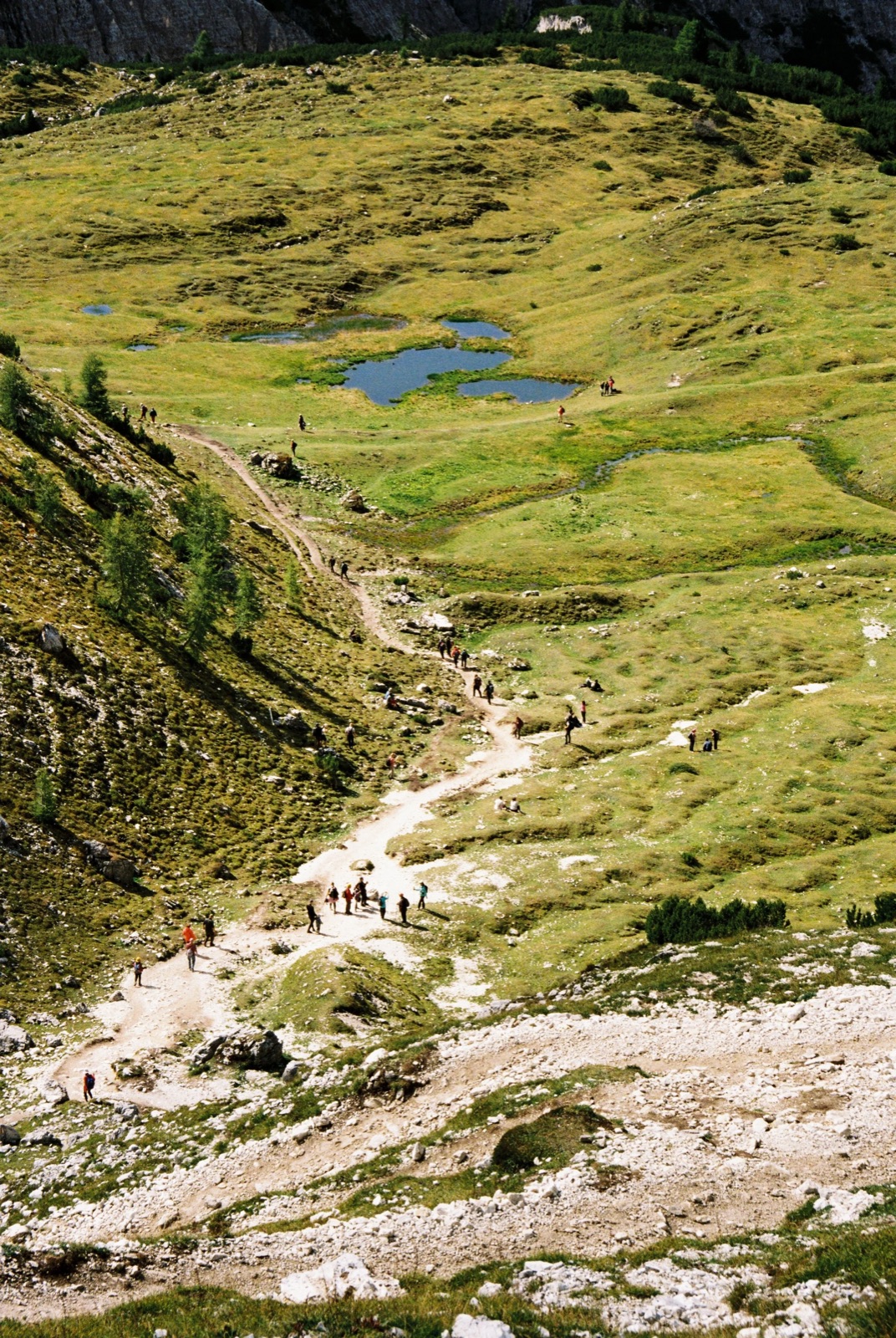
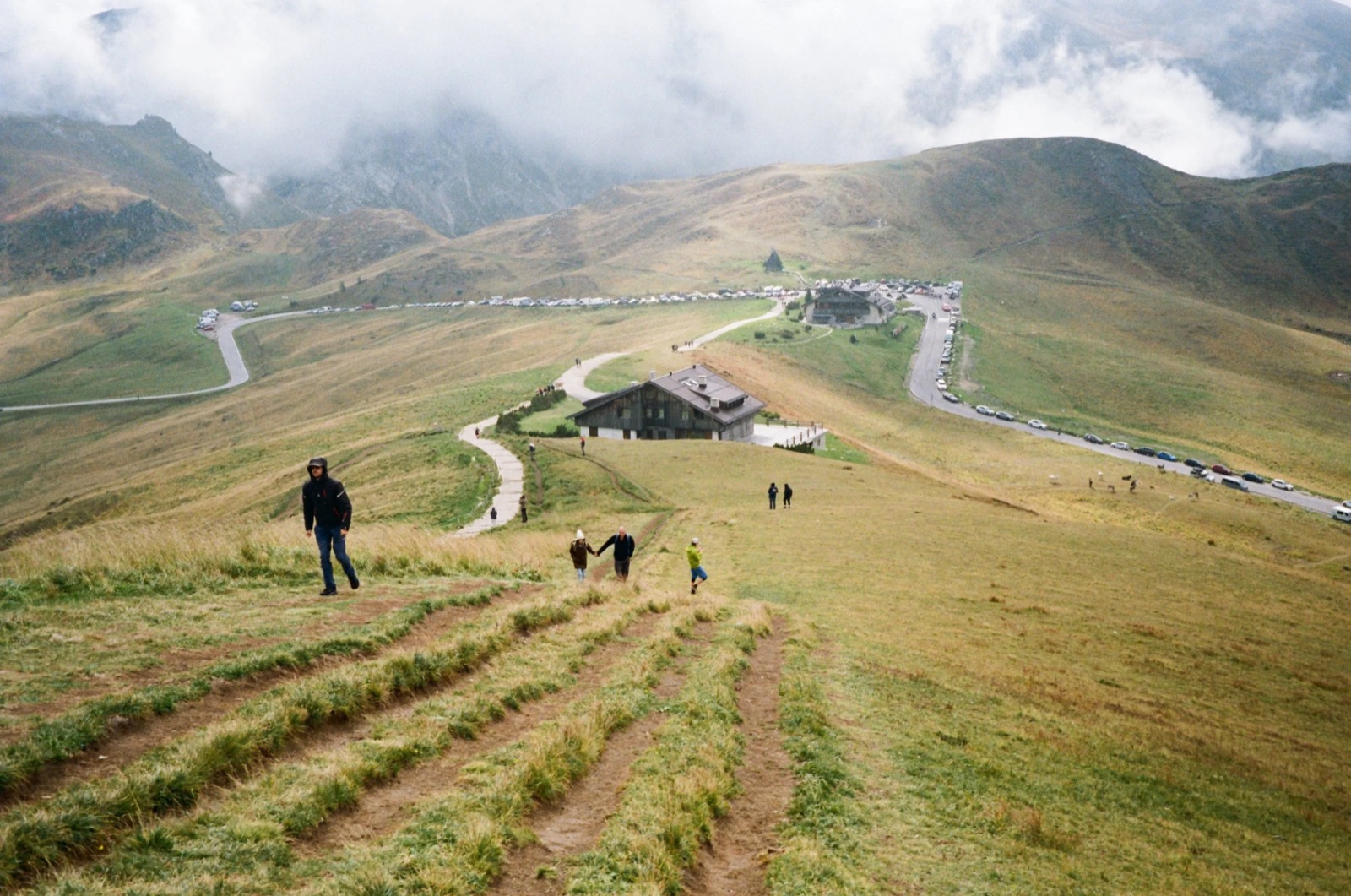
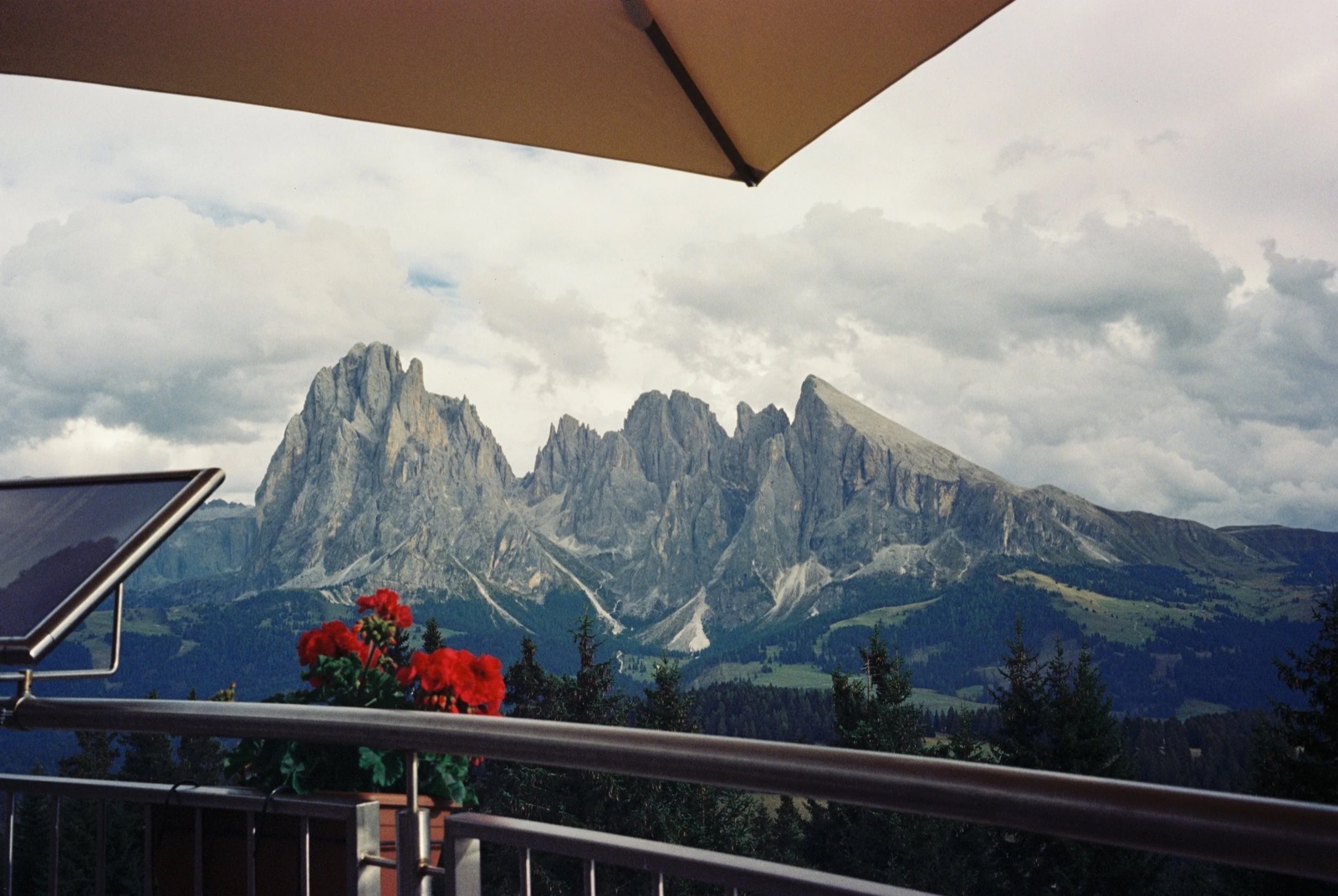
At wider settings, I could capture expansive scenery, while longer focal lengths allowed me to isolate textures, peaks, and distant elements. Because the zoom operates continuously across the range rather than in fixed steps, it became possible to fine-tune compositions with surprising precision.
Unexpectedly, there were moments where I actually preferred the zoom experience over the fixed lens. That realization was a genuine surprise.




Travel Experience: The Perfect Companion
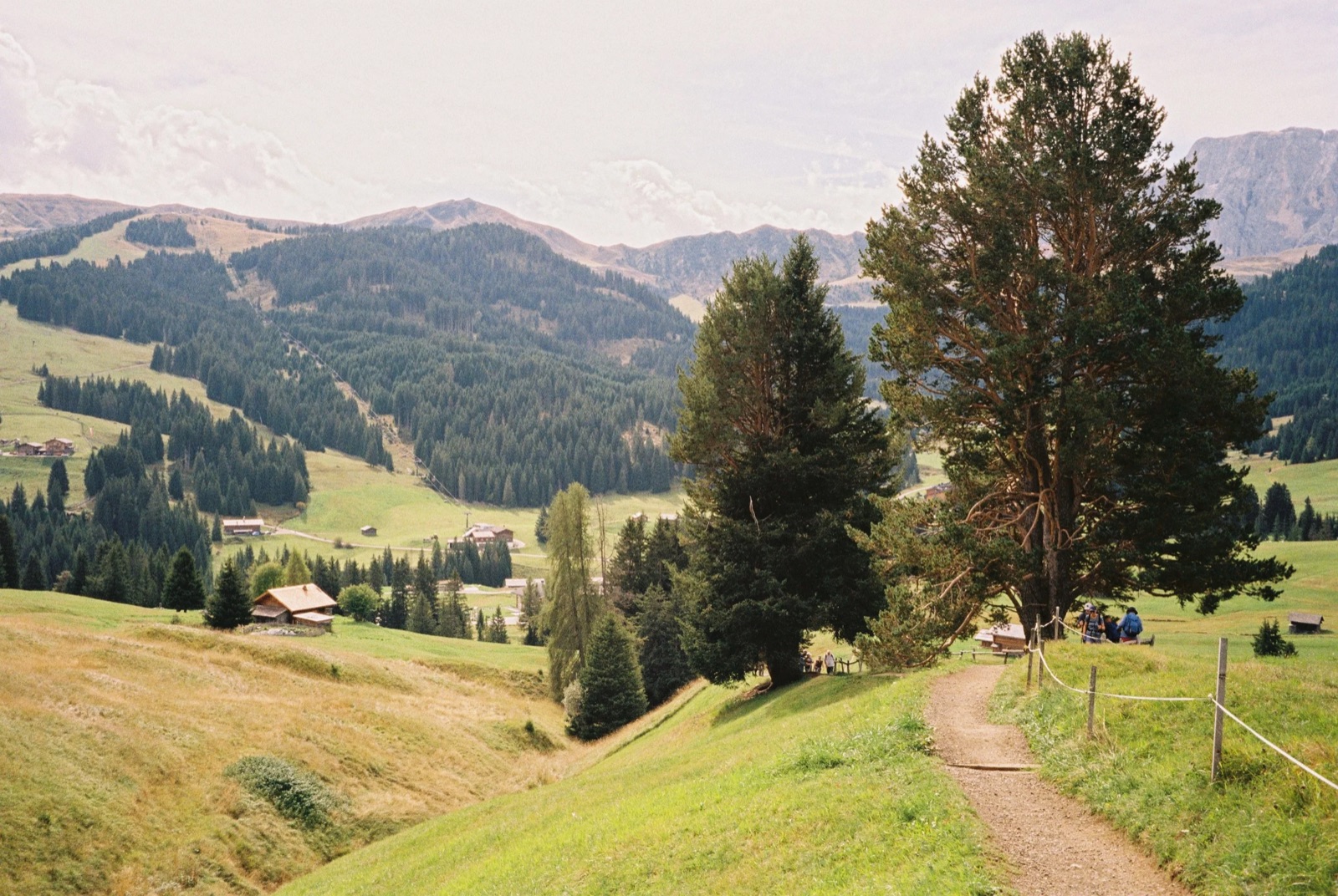
Throughout the trip, I carried the camera inside a small fanny pack, where it remained accessible without ever becoming intrusive. Its size and weight made it effortless to bring everywhere, and because it was so convenient to use, I ended up shooting far more film than I had originally planned.
Over time, the Minilux Zoom has become one of my favorite travel cameras. I have owned it for more than a year and a half and have put many rolls through it without issues. The camera feels dependable, which is exactly what you want when traveling in remote locations.

Minilux vs Minilux Zoom — My Perspective
Both cameras have their own character. The original Minilux offers a faster lens and carries a stronger iconic reputation, while the Zoom provides significantly more versatility and compositional freedom. For travel specifically, the zoom version may actually be the more practical choice, even if it is sometimes overlooked compared to the fixed lens model.
I genuinely enjoy both, but the Zoom has earned a permanent place in my travel kit.




Final Thoughts
The Leica Minilux Zoom exceeded my expectations in almost every way. What I initially considered to be just another compact camera gradually became one of my most frequently used film cameras. It combines premium build quality, excellent optical performance, practical features, and true portability in a way that makes it uniquely enjoyable to use.
For anyone looking for a high-end film point-and-shoot that balances convenience with creative flexibility, the Minilux Zoom is an easy recommendation. For me personally, it has become a trusted travel companion and one that I reach for with confidence.